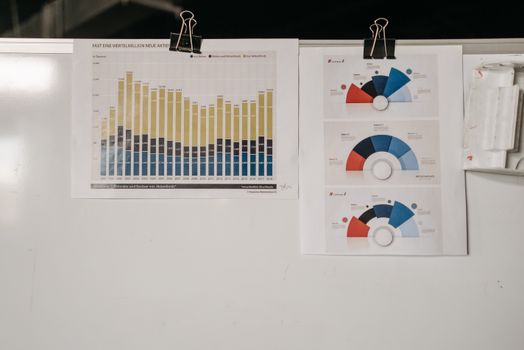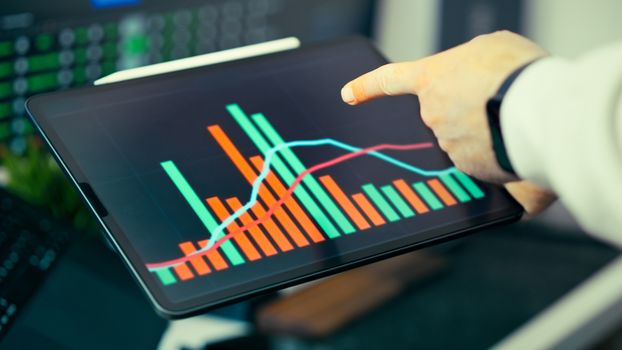
Data is the lifeblood of modern business, but raw numbers alone rarely inspire action. Today’s top companies recognize that the real value lies not just in collecting data, but in making sense of it—fast. Data visualization, the art and science of representing information graphically, has emerged as a critical tool for organizations seeking to optimize their decision-making processes. Through real-world case studies, this article explores how leading companies harness data visualization to make smarter, faster, and more impactful decisions.
The Strategic Value of Data Visualization in Business
The explosion of digital information means businesses now generate and store unprecedented amounts of data. According to IDC, the global datasphere will reach 175 zettabytes by 2025—a staggering figure that underscores the urgent need for effective data analysis tools. Enter data visualization: by transforming dense spreadsheets and databases into interactive dashboards, heat maps, and graphs, companies can quickly spot trends, outliers, and opportunities.
A study by Aberdeen Group found that organizations using visual data discovery tools are 28% more likely to find timely information than those relying solely on traditional reporting. This speed directly translates to competitive advantage. In the following sections, we’ll see how this plays out in practice across different industries and business functions.
.png)
Case Study 1: Retail Giants Optimize Inventory and Sales
Retailers must constantly balance inventory, forecast demand, and optimize store layouts. Walmart, the world’s largest retailer, leverages data visualization to manage its massive supply chain and vast product assortment. With over 11,000 stores and 230 million weekly customers, Walmart processes millions of transactions daily.
By implementing custom dashboards that visualize inventory turnover, sales trends by region, and customer buying patterns in real time, Walmart’s teams can anticipate out-of-stock risks and adjust orders accordingly. For example, heat maps of product movement highlight underperforming SKUs, prompting targeted promotions or store redistributions. As a result, Walmart reduced excess inventory by 15% between 2018 and 2021, freeing up billions in working capital.
Similarly, Target uses data visualizations to align store displays with local preferences, rapidly test new layouts, and monitor the success of seasonal campaigns. This data-driven approach contributed to a 10% increase in same-store sales in 2020, even as traditional retail struggled.
Case Study 2: Healthcare Providers Improve Patient Outcomes
In healthcare, the stakes for decision making are often life and death. The Cleveland Clinic, consistently ranked among America’s top hospitals, utilizes interactive dashboards to monitor patient care in real time. By aggregating data from electronic health records, lab results, and IoT devices, care teams visualize vital signs, medication schedules, and treatment progress for each patient.
One notable outcome: the Clinic’s sepsis alert system. By visualizing early warning signs—such as changes in blood pressure, heart rate, and temperature—nurses and physicians are alerted to potential sepsis cases, enabling earlier intervention. This system contributed to a 24% reduction in sepsis mortality rates between 2016 and 2020.
Kaiser Permanente, serving 12.5 million members, employs similar visualization tools to track population health metrics, identify gaps in preventive care, and optimize resource allocation across its network of facilities. These initiatives support their mission to deliver coordinated, high-quality care at scale.
Case Study 3: Financial Services Detect Fraud and Manage Risk
The financial sector faces constant threats from fraud, cyberattacks, and volatile markets. JPMorgan Chase, America’s largest bank, processes over $6 trillion in daily payments. The bank’s fraud detection teams rely on real-time data visualization platforms to spot suspicious activity.
Instead of combing through endless transaction logs, analysts use interactive graphs and anomaly detection heat maps to pinpoint unusual patterns—such as a sudden spike in cross-border transfers from a dormant account. This approach has reduced investigation times by 30% and helped prevent millions in losses annually.
On the investment side, hedge funds like Bridgewater Associates use sophisticated visualizations to model economic scenarios, simulate portfolio risk, and communicate complex strategies to clients. By presenting data graphically, fund managers can quickly adjust positions in response to market shifts—an essential capability in today’s fast-moving financial environment.
Comparing Data Visualization Tools: What Do Companies Use?
The success of these case studies often hinges on the selection and implementation of the right tools. From custom in-house solutions to leading third-party platforms, the landscape is broad. Below is a comparison of popular data visualization tools used in enterprise environments.
| Tool | Key Features | Industries | Approximate Cost | Notable Users |
|---|---|---|---|---|
| Tableau | Interactive dashboards, real-time analytics, drag-and-drop interface | Retail, Healthcare, Finance, Education | $70/user/month (Pro) | Walmart, Verizon, Pfizer |
| Power BI | Integration with Microsoft 365, AI-powered insights, robust sharing | Finance, Manufacturing, Government | $20/user/month (Pro) | Heathrow Airport, Nestlé, Rolls-Royce |
| Qlik Sense | Associative data model, powerful analytics, mobile support | Healthcare, Logistics, Retail | $30/user/month | Lufthansa, NHS, Samsung |
| Domo | Cloud-native, business app integration, scalable for enterprise | Retail, Media, Sports | Custom pricing | ESPN, National Geographic |
| Custom Solutions | Tailored to unique needs, unlimited flexibility | Large enterprises, specialized sectors | Varies (often $100K+) | Amazon, JPMorgan Chase, Google |
This table illustrates that companies choose solutions based on factors such as integration needs, scale, and industry requirements. For example, Walmart and JPMorgan Chase invest in custom platforms to handle their unique data volumes and security needs, while smaller organizations may benefit from plug-and-play tools like Tableau or Power BI.
Case Study 4: Manufacturing Firms Drive Efficiency and Quality
Manufacturers operate on slim margins and must minimize downtime and waste. General Electric (GE), a leader in industrial manufacturing, adopted real-time data visualization across its factories. Sensors on assembly lines feed data into dashboards that track machine performance, energy usage, and defect rates.
By visualizing production data, line managers can quickly identify bottlenecks, predict maintenance needs, and implement process improvements. After rolling out these tools in its jet engine division, GE reported a 10% increase in operational efficiency and a 15% reduction in unplanned downtime within two years.
Similarly, Toyota uses data visualization to support its famed “kaizen” (continuous improvement) methodology. Interactive displays on the shop floor empower workers to monitor quality metrics and suggest improvements, fostering a culture of transparency and engagement.
Case Study 5: Tech Companies Accelerate Product Development
In the hyper-competitive tech industry, speed and innovation are paramount. Spotify, the global music streaming giant, leverages data visualization to optimize everything from user experience to backend infrastructure.
Product teams use real-time dashboards to track user engagement, feature adoption, and server performance. When launching new features, A/B test results are visualized in intuitive charts, enabling rapid iteration. A notable example: after visualizing listening patterns, Spotify restructured its home screen, resulting in a 15% increase in daily active users within three months.
At Google, data visualization is central to decision making across departments. From monitoring global search trends to visualizing energy consumption in data centers, graphical dashboards help teams align around key metrics and make evidence-based decisions.
Lessons Learned: What Makes Data Visualization Effective?
Examining these case studies reveals common threads in successful data visualization initiatives:
1. Clear Objectives: Companies define specific goals—such as reducing downtime or improving customer experience—before designing visualizations. 2. Real-Time Data: Timely information is crucial. The most impactful dashboards update automatically and allow for immediate action. 3. User-Centric Design: Visualizations are tailored to the needs of end users, whether they’re executives, frontline workers, or analysts. 4. Integration: The best solutions connect seamlessly with existing systems, ensuring a single source of truth. 5. Continuous Improvement: Organizations regularly update their visualizations to reflect evolving priorities and feedback.The numbers speak for themselves: Forrester Research reports that insight-driven businesses are growing at an average of more than 30% annually, outpacing traditional firms. As these case studies show, data visualization is a fundamental enabler of this success.
Optimizing Decision Making: The Bottom Line
Data visualization has moved from a “nice to have” to a mission-critical capability for organizations of all sizes and sectors. By translating complex datasets into clear, actionable insights, companies can optimize decision making at every level—from the shop floor to the boardroom. Whether the goal is to reduce costs, improve quality, or drive innovation, the strategic use of data visualization delivers measurable results.
As technology evolves, expect visual analytics to become even more sophisticated, with advances in AI, real-time collaboration, and immersive interfaces. For organizations willing to invest in the right tools and practices, the future of decision-making is not just data-driven—it’s visually empowered.