Data Interpretation and Visualization: Two Sides of the Same Coin
Data is all around us, quietly shaping our decisions, strategies, and even the stories we tell. But raw data, in its pure numerical or textual form, is often overwhelming. The true power of data is unlocked through two critical, interconnected processes: data interpretation and data visualization. Think of them as two sides of the same coin—each incomplete without the other. Data interpretation gives meaning to numbers, while data visualization turns that meaning into something people can instantly grasp and act upon.
In this article, we explore how data interpretation and visualization work hand in hand, why their synergy is essential in today’s data-driven landscape, and what happens when one is prioritized over the other. We’ll also look at practical examples, key challenges, and the future of this dynamic duo.
The Symbiotic Relationship Between Interpretation and Visualization
To fully understand the importance of data interpretation and visualization, it’s crucial to define each term:
.png) - Data interpretation: The process of making sense of raw data, identifying patterns, extracting insights, and drawing conclusions.
- Data visualization: The representation of data or information in a graphical or pictorial format (charts, graphs, maps, etc.).
- Data interpretation: The process of making sense of raw data, identifying patterns, extracting insights, and drawing conclusions.
- Data visualization: The representation of data or information in a graphical or pictorial format (charts, graphs, maps, etc.).
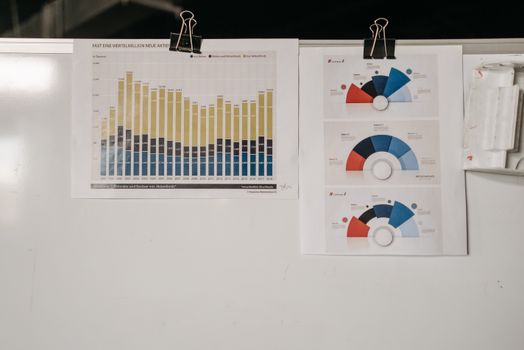
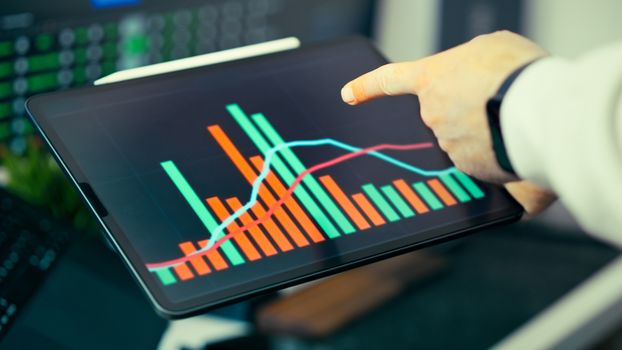
Neither of these processes exists in a vacuum. Visualization without interpretation is just decoration—colorful but meaningless. Interpretation without visualization can become inaccessible, especially as datasets grow larger and more complex.
A 2022 survey by the Data Visualization Society found that 83% of professionals believe that combining interpretation with visualization increases the clarity and actionability of insights. This synergy allows organizations to move beyond surface-level reporting into deep, strategic understanding.
For example, a table of monthly sales figures is useful, but a line graph that highlights seasonal trends, paired with an interpretation that explains the underlying causes, empowers a business to make informed decisions for the future.
When Visualization Leads: The Perils of “Pretty but Pointless” Charts
It’s easy to fall into the trap of believing that beautiful charts alone can drive understanding. But without thoughtful interpretation, visualizations risk being misused or misunderstood.
Consider the infamous case of the COVID-19 “flatten the curve” charts from 2020. While the graphs themselves were simple and clear, they achieved impact only when paired with explanations: what the curves meant, how interventions affected outcomes, and why “flattening” was crucial. Without interpretation, a viewer might not grasp the life-or-death implications behind the lines.
Research from the Nielsen Norman Group in 2021 revealed that 62% of users misinterpret data visualizations that lack explanatory context. This can lead to costly errors in business, science, and public policy.
Common pitfalls of visualization without interpretation include: - Cherry-picked data that tells an incomplete or biased story - Overly complex charts that confuse rather than clarify - Misleading visuals (e.g., truncated axes, distorted proportions)The lesson: A chart is only as powerful as the narrative that accompanies it.
When Interpretation Dominates: The Limits of Text and Numbers Alone
On the flip side, relying solely on interpretation—without the aid of visuals—can be equally problematic. Human brains process images 60,000 times faster than text, according to a 2019 MIT study. When audiences are faced with dense tables or paragraphs of analysis, key insights can be overlooked or misunderstood.
For example, imagine a climate scientist explaining temperature anomalies across decades through text alone. Even for experts, parsing through rows of numbers is far less effective than seeing a clear trend line or heat map.
Moreover, as data grows in both volume and complexity, visualizations become not just helpful but essential for: - Spotting trends and outliers at a glance - Comparing categories or groups instantly - Engaging audiences with varying levels of expertiseA 2023 Gartner report estimated that organizations using data visualization tools are 28% more likely to identify actionable insights compared to those relying on traditional reporting.
Real-World Example: The Power of Both in Healthcare
The healthcare industry offers a compelling case study of why both interpretation and visualization are necessary.
Imagine a hospital administrator reviewing patient readmission rates. A visualization—a bar chart comparing rates by department—quickly highlights which areas have higher rates. However, without interpretation, the reasons behind those numbers remain hidden.
A data analyst adds context: “The cardiology department’s readmission rate increased by 15% last quarter, primarily due to more complex cases and a shortage of follow-up care.” This interpretation, presented alongside the chart, enables the administrator to take targeted action: investing in aftercare programs for high-risk patients.
Here’s how data interpretation and visualization typically complement each other in healthcare:
| Step | Visualization Example | Interpretation Example |
|---|---|---|
| Identify Trend | Line graph of patient admissions over time | “Admissions spike every winter, likely due to flu season.” |
| Spot Outlier | Scatter plot of patient ages vs. length of stay | “Older patients have significantly longer stays.” |
| Compare Groups | Bar chart of readmission rates by department | “Cardiology’s rate is 15% above average—needs investigation.” |
This partnership between visuals and narrative enables faster, smarter decisions—potentially saving lives.
Key Challenges in Uniting Interpretation and Visualization
While the benefits are clear, combining interpretation and visualization is not without challenges:
1. Data Quality and Accuracy: Poor-quality data leads to misleading visuals and faulty conclusions. According to Experian’s 2022 Global Data Management report, 85% of organizations say inaccurate data is a major barrier to effective decision-making. 2. Cognitive Bias: Both interpreters and viewers bring their own biases, which can color how data is presented and understood. For example, confirmation bias may lead someone to highlight only the visuals that support a preconceived notion. 3. Communication Gaps: Not all audiences interpret visuals the same way. What’s clear to a data scientist may be confusing to a non-technical executive. Tailoring both visuals and interpretation to the audience is critical. 4. Tool Overload: With hundreds of visualization tools available (from Tableau to Power BI to Google Charts), it’s easy to get lost in the technology and lose sight of the story.Organizations that succeed at uniting interpretation and visualization invest in data literacy training, cross-functional collaboration, and clear communication standards.
The Future: AI, Automation, and the Evolving Role of Human Insight
As technology advances, the landscape of data interpretation and visualization is shifting. Artificial intelligence (AI) and machine learning are playing an increasing role, automating the generation of both visuals and interpretations.
For instance, Microsoft Power BI’s “Smart Narrative” and Google Data Studio’s “Insights” features can now automatically generate written summaries of trends detected in data visualizations. In 2023, Gartner predicted that by 2025, 75% of data stories in business analytics platforms will be automatically generated using AI.
However, the human element remains irreplaceable. Automation can highlight anomalies or generate charts, but it can’t fully understand business context, ethical implications, or the nuances of human communication. The best results come from humans and machines working together: AI surfaces the patterns, while people provide interpretation, strategic context, and the storytelling that drives action.
Why Data Interpretation and Visualization Must Evolve Together
Data interpretation and visualization are, truly, two sides of the same coin. As the world’s data grows—an estimated 328.77 million terabytes are created each day as of 2024—the ability to turn numbers into knowledge and knowledge into action is more important than ever.
Organizations that treat visualization as a communication tool, not just a design exercise, and that pair it with insightful interpretation, will lead the way in innovation and informed decision-making.
As new technologies emerge and data volumes continue to soar, the most successful individuals and organizations will be those who master both sides of the coin—combining sharp analytical thinking with compelling, accessible visual communication.