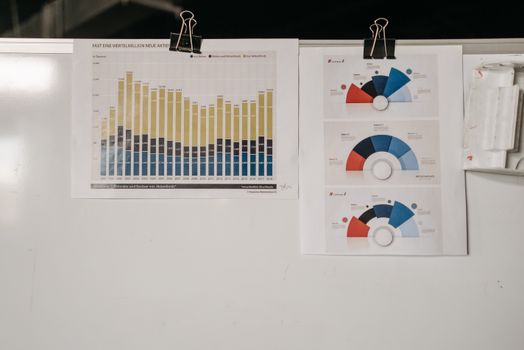
User experience (UX) in data dashboards is no longer just a buzzword—it’s a critical factor in how organizations transform raw data into actionable insights. Modern businesses, analysts, and even casual users demand more than static charts: they want dashboards that respond, adapt, and empower them to interact with the data directly. Interactive data dashboards—those that allow for filtering, drilling down, sorting, and more—can be the difference between data overload and data clarity.
But it’s not enough to simply add buttons or filters and call it interactive. Improving user experience with interactive data dashboards requires thoughtful design, intuitive controls, and a deep understanding of your users’ needs and workflows. In this article, we’ll explore how to elevate the user experience of interactive dashboards, from design principles to practical features, supported by real-world examples and data.
Understanding the Impact of Interactivity on Data Dashboards
Interactivity transforms dashboards from passive displays into powerful tools for exploration and decision-making. According to a 2023 Gartner report, organizations that deploy interactive dashboards see a 35% increase in data-driven decisions compared to those using static reports. This is because interactivity empowers users to:
.png) - Explore data from multiple angles
- Uncover hidden trends and outliers
- Customize views to their unique questions
- Respond to live data updates in real-time
- Explore data from multiple angles
- Uncover hidden trends and outliers
- Customize views to their unique questions
- Respond to live data updates in real-time
For example, a sales manager might use a dashboard to filter performance by region, drill down into specific product categories, and adjust timeframes—all within seconds. This kind of flexibility not only boosts efficiency but also fosters a culture where data informs every decision.
Yet, the full potential of interactive dashboards is only realized when the user experience is seamless. Poorly implemented interactivity can overwhelm users, slow performance, or even lead to incorrect conclusions. Let’s examine the key strategies to ensure that your interactive dashboards truly enhance user experience.
Design Principles for Intuitive Interactivity
A well-designed interactive dashboard feels effortless to use. Achieving this requires attention to several key design principles:
1. Clarity and Simplicity Avoid clutter and information overload. According to Nielsen Norman Group, users spend an average of 10-20 seconds on a dashboard before deciding whether to engage. Keep controls and information hierarchies clear. For instance, group related filters together and use consistent iconography. 2. Progressive Disclosure Instead of showing every possible detail upfront, reveal information as users interact. For example, clicking on a summary chart can reveal more granular data below. This keeps the main view clean while supporting deeper exploration. 3. Visual Feedback Users should never wonder if their actions had an effect. Use subtle animations, loading indicators, and highlights to confirm filter selections or data updates. A 2022 study by Tableau found that dashboards with clear visual feedback had 28% higher user satisfaction scores. 4. Responsive Layouts With 59% of dashboard users accessing data on mobile devices (Statista, 2023), responsive design is crucial. Ensure that touch controls, font sizes, and interactive elements adapt smoothly to different screen sizes.Key Interactive Features That Enhance User Experience
Not every dashboard needs every feature, but certain interactive elements consistently improve usability and engagement. Here are the most impactful:
- $1 Allow users to filter data by categories, time periods, or other dimensions. This empowers them to focus on what matters most without being distracted by irrelevant data. - $1 Enable users to click on high-level summaries and access more detailed layers. For example, clicking a country in a map view could reveal city-level sales data. - $1 Let users rearrange charts, save personal views, or adjust chart types to fit their workflow. - $1 Live dashboards keep information current—vital for industries like finance or operations where minutes matter. - $1 Show additional data on hover or click, reducing clutter while still providing access to deeper information. - $1 Make it easy for users to export data or share insights with colleagues directly from the dashboard interface.The table below compares static and interactive dashboards, highlighting the UX advantages of interactivity.
| Feature | Static Dashboard | Interactive Dashboard |
|---|---|---|
| Filtering Data | Not possible | User can filter by multiple dimensions in real-time |
| Drill-Down Capability | Fixed views only | Users explore details by clicking on visual elements |
| Customization | One-size-fits-all | Users adjust layout, save views, and set preferences |
| Data Freshness | Updated periodically | Live or near real-time updates |
| User Engagement | Passive consumption | Active exploration and insight discovery |
Personalization: Tailoring Dashboards to Individual Needs
One of the most significant shifts in dashboard design is the move towards personalization. A 2022 Deloitte survey found that 80% of business users are more likely to use dashboards that adapt to their roles and preferences.
Personalization can take many forms:
- $1 Display different data or layouts based on the user’s job function. For example, a finance manager sees revenue trends, while a marketing analyst sees campaign performance. - $1 Allow users to save their favorite settings for quick access later. - $1 Use machine learning to suggest relevant reports or highlight anomalies based on user behavior.By empowering users to shape their own experience, personalization increases satisfaction and reduces the cognitive load. It ensures users spend less time hunting for information and more time making decisions.
Performance Optimization for a Smooth Experience
Interactivity is only as good as the dashboard’s speed and responsiveness. Slow load times, laggy filters, or frozen controls quickly erode user trust. In fact, a Forrester study found that 47% of users expect dashboards to respond in under two seconds, and 29% will abandon a dashboard that is too slow.
Key strategies for optimizing performance include:
1. $1 Aggregate data at the source and only fetch detailed records when necessary. 2. $1 Load heavy charts or data panels after the main view appears so users can start interacting immediately. 3. $1 Store common queries locally or in memory for instant access. 4. $1 Avoid overcomplicated charts that require intensive rendering, especially for web and mobile dashboards.Choosing the right dashboard platform can also impact performance. Solutions like Power BI, Tableau, and Looker offer built-in optimizations for large datasets and real-time streaming, reducing the need for custom engineering.
Real-World Examples: Interactive Dashboards in Action
To illustrate the principles discussed, let’s look at how interactive dashboards improve user experience in different industries:
- $1 Hospitals use interactive dashboards to monitor patient flow, bed occupancy, and resource allocation. Staff can filter by department, shift, or diagnosis, improving response times and patient outcomes. - $1 Global chains like Walmart deploy dashboards that allow managers to drill down from national sales trends to individual store performance, reacting quickly to inventory or staffing needs. - $1 School districts use interactive dashboards to track attendance, test scores, and budgeting. Teachers and administrators can personalize views to focus on their classes or schools. - $1 Investment firms rely on real-time dashboards to monitor portfolio performance, market movements, and risk exposure. Users can customize dashboards to track assets, sectors, or geographical regions.These examples underscore how interactivity, combined with thoughtful UX design, can transform how organizations leverage data.
Final Thoughts on Improving User Experience with Interactive Data Dashboards
An interactive data dashboard is only as powerful as its user experience. By focusing on intuitive design, essential interactive features, personalization, and performance optimization, organizations can turn raw data into clear, actionable insights for everyone—from executives to frontline staff.
Remember: the goal is not to overwhelm users with features, but to empower them with control, clarity, and confidence. Whether you’re building dashboards for business intelligence, public transparency, or personal productivity, investing in user experience will pay dividends in adoption, satisfaction, and results.