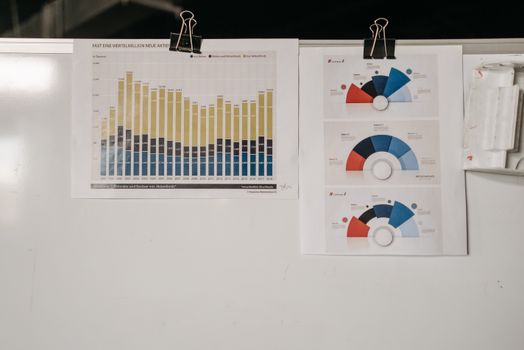
In today’s rapidly evolving healthcare landscape, data is being generated at an unprecedented rate. From electronic health records and population studies to real-time patient monitoring and genomics, modern medicine is awash in information. But massive amounts of data are only valuable if they can be understood, shared, and acted upon. This is where data visualization steps in as an essential bridge—making sense of complexity and driving informed decisions in health and medicine.
Effectively using data visualization in health and medicine is not just about making pretty charts. It means translating intricate datasets into visual narratives that researchers, clinicians, policymakers, and even patients can interpret and use. This article explores how to harness the true power of data visualization for better healthcare outcomes, discussing strategies, real-world examples, and best practices tailored to the unique challenges of the medical field.
The Unique Challenges of Health Data Visualization
Healthcare data presents a distinct set of hurdles not commonly found in other industries. First, medical data is often multidimensional, combining clinical measurements, time-series monitoring, demographic details, and more. For example, a single intensive care unit (ICU) patient may generate over 1,000 data points per day from monitors and lab tests.
.png)
Another major challenge is the sensitivity and privacy of health information. Visualizations must comply with regulations like HIPAA in the US, ensuring that personal health details aren’t inadvertently exposed. This makes anonymization and aggregation crucial steps before visualization.
Finally, the stakes are high: misinterpretation of a medical chart can lead to harmful decisions. A 2021 study in the Journal of the American Medical Informatics Association found that poorly designed dashboards contributed to clinical errors in 13% of observed hospital cases. Clarity is not just desirable—it’s lifesaving.
Transforming Raw Data into Actionable Insights
Raw medical data is rarely ready to visualize. Effective health data visualization starts with data cleaning, normalization, and structuring. For instance, time-series data from wearable devices must be synchronized and filtered to remove noise before it tells a meaningful story.
Once clean, data can be visualized to help answer critical questions. For example, heat maps can reveal geographical patterns in disease outbreaks, such as the spread of COVID-19 across states or regions. Line graphs and run charts are essential for tracking patient vitals over time, enabling clinicians to spot trends that might require intervention.
Interactive dashboards take insight a step further by letting users explore data dynamically. For example, the Johns Hopkins COVID-19 dashboard allowed users worldwide to track real-time case counts, recoveries, and fatalities by country and region—a tool accessed over 1.2 billion times in its first six months.
Choosing the Right Visualization for Health Data
The type of visualization should match the nature of the data and the question at hand. Here’s a comparative overview of common visualization types used in medicine, their strengths, and when to use them:
| Visualization Type | Best For | Example in Health/Medicine |
|---|---|---|
| Line Chart | Trends over time | Tracking a patient’s blood glucose levels |
| Heat Map | Geographic/data density patterns | Mapping flu outbreaks by region |
| Scatter Plot | Identifying correlations | Linking BMI and cholesterol levels |
| Bar Chart | Comparisons across categories | Comparing recovery rates among treatments |
| Pie Chart | Proportional data | Distribution of patient diagnoses |
| Network Diagram | Relationships/connections | Mapping disease transmission pathways |
A real-world example: In cancer genomics, researchers often use heat maps to visualize gene expression patterns across hundreds of patients, instantly highlighting potential biomarkers for drug development.
Communicating Complex Findings to Diverse Audiences
One of the most significant benefits of data visualization in health and medicine is the ability to communicate findings to audiences with varying levels of expertise. While a biostatistician might appreciate a detailed forest plot, patients and policymakers need straightforward visuals that make the implications clear.
Consider vaccination campaigns. In 2022, the CDC used simple bar charts and infographics to share COVID-19 vaccination rates by age and state, increasing public understanding and motivating action. These graphics reached millions and contributed to more targeted outreach in low-uptake communities.
But accessibility isn’t just about simplicity. It also means considering colorblind-friendly palettes, readable fonts, and interactive features like tooltips or filters that allow users to explore data at their own pace. According to a 2023 survey by the Data Visualization Society, 41% of healthcare professionals reported that interactive dashboards improved their ability to make timely clinical decisions.
Leveraging Advanced Visualization Tools in Medicine
Modern healthcare increasingly relies on sophisticated visualization platforms. Tools like Tableau, Power BI, and specialized medical imaging software enable clinicians and researchers to handle vast datasets and uncover subtle patterns.
For example, in radiology, 3D volume rendering transforms stacks of CT or MRI slices into interactive anatomical models. This helps surgeons plan procedures with greater precision. Meanwhile, public health officials use geospatial mapping tools such as ArcGIS to track the spread of vector-borne diseases like Zika or dengue in real time.
Machine learning and artificial intelligence are also reshaping visualization in medicine. Predictive analytics dashboards can flag at-risk patients using color-coded risk scores, helping hospitals reduce readmissions. In clinical trials, advanced visualizations are used to monitor participant safety and quickly identify adverse events.
Ensuring Ethical and Secure Health Data Visualizations
Data visualization in medicine is not just a technical endeavor—it’s also an ethical one. Ensuring patient privacy, avoiding misleading graphics, and maintaining transparency are non-negotiable.
Best practices include:
- Aggregating or anonymizing data before visualization to prevent re-identification. - Avoiding cherry-picking data or manipulating axes, which can distort findings. - Clearly labeling sources, metrics, and limitations to foster trust. - Using clear legends and explanations so that non-expert viewers are not misled.A notable case from 2018 involved a misleading health infographic that exaggerated the effectiveness of a new drug by truncating the y-axis. The resulting confusion led to public backlash and a correction from the publisher—highlighting the importance of integrity in medical data visualization.
The Future of Data Visualization in Health and Medicine
As the volume and variety of health data continue to grow, visualization will become even more central to medical discovery and care delivery. Integration with wearable devices, real-time analytics, and virtual or augmented reality will empower clinicians and patients alike.
For instance, by 2025, it’s estimated that over 30% of US adults will regularly use wearable health monitors, generating continuous streams of biometric data. Effective visualization will be the key to transforming this raw information into actionable insights for early disease detection and personalized treatment.
Moreover, as precision medicine advances, visualizations will help unravel the complex interplay between genetics, environment, and lifestyle. This will not only improve individual outcomes but also inform policy and public health strategies, ensuring that resources are directed where they are needed most.