Data visualization is an essential bridge between complex information and human understanding. As organizations and individuals grapple with ever-expanding data sets, the ability to communicate insights visually has never been more critical. Yet, the journey from raw data to compelling visuals is fraught with pitfalls. Even experienced professionals can fall into common traps that distort, confuse, or even mislead. Recognizing and avoiding these mistakes is vital for accurate, impactful, and ethical storytelling with data.
This article dives deep into the most frequent errors in data visualization, explaining why they occur, their real-world consequences, and—most importantly—how you can avoid them. Whether you’re a business leader, a student, or a data enthusiast, understanding these pitfalls will sharpen your ability to present data that is both truthful and persuasive.
The Dangers of Misleading Scales and Axes
One of the most pervasive mistakes in data visualization is the misuse of scales and axes. While this might seem like a technical detail, it has profound consequences for how viewers interpret the underlying data.
.png)
For example, truncating the y-axis of a bar chart (starting it at a number higher than zero) can exaggerate minor differences, making them appear more significant than they are. In 2014, a well-known news network displayed a bar chart comparing job growth under different presidents. By starting the y-axis at 94 million instead of zero, the difference between 95 million and 98 million jobs appeared massive, when in reality it was just a 3% difference.
Similarly, using inconsistent intervals on the x-axis, especially for time series data, can distort trends. If a line chart space between 2010 and 2015 is the same as between 2015 and 2020, but those periods had different amounts of data, viewers might misinterpret the pace of change.
How to avoid this mistake: - Always use a zero-baseline for bar charts unless there is a compelling reason not to—and if so, clearly label and justify it. - Ensure intervals on axes are consistent and logical. - Label axes with both units and context, so viewers understand what is being measured.The takeaway: Thoughtful axis and scale choices build trust and ensure your audience sees an honest representation of the data.
Overcomplicating Visuals: Less is Often More
Humans are naturally drawn to beautiful and intricate designs, but in data visualization, clarity should always trump complexity. Overly complicated visuals—whether overloaded with data points, colors, or chart types—can overwhelm viewers and obscure key insights.
A 2022 survey by the Data Visualization Society found that 67% of professionals cited "overcrowded visuals" as the most common mistake in presentations they reviewed. When a chart tries to display too much information at once, cognitive overload occurs, making it difficult for the audience to discern patterns or takeaways.
Common symptoms of overcomplicated visuals include: - Using more than six colors in a single chart, making it hard to distinguish categories. - Combining multiple chart types (e.g., lines, bars, and scatter points) in a single graphic without clear reasoning. - Adding unnecessary 3D effects, gradients, or decorative elements that serve no analytical purpose. How to avoid this mistake: - Focus each visualization on a single, clear message or takeaway. - Limit the number of variables and categories displayed at once. - Use simple, flat design elements and a restrained color palette. - When in doubt, split complex data into multiple, simpler charts.Remember: The goal is not to impress with complexity but to inform with clarity.
Ignoring the Audience: Context Is Key
A visualization that works perfectly for a team of data scientists may utterly confuse a board of directors or the general public. One of the most overlooked aspects of effective data visualization is audience awareness.
For instance, technical jargon, acronyms, or highly specialized chart types (such as violin plots or Sankey diagrams) may be second nature to data professionals. However, for a broader audience, these can create barriers to understanding and engagement. A 2020 Nielsen Norman Group report highlighted that users are 42% more likely to misinterpret data when confronted with unfamiliar visual formats.
How to avoid this mistake: - Start by defining who the audience is and what questions they want to answer. - Choose chart types and visual metaphors that match the audience’s familiarity and needs. - Provide context: brief explanations, legends, and clear titles go a long way in guiding interpretation. - Test your visuals with a sample of your intended audience and revise based on feedback.Tailoring your visuals to your audience ensures your insights are not just seen but actually understood.
Color Choices: Accessibility and Interpretation
Color is one of the most powerful tools in a data visualizer’s toolkit, but it’s also a frequent source of mistakes. Poor color choices can lead to misinterpretation, obscure important differences, or exclude viewers with color vision deficiencies.
Research shows that approximately 8% of men and 0.5% of women worldwide are color-blind, most commonly red-green colorblindness. Despite this, many visualizations still rely on problematic color combinations or fail to consider contrast, making data unreadable for a significant portion of the population.
Another issue is using colors that convey unintended meaning. For example, using red and green to represent unrelated categories may subconsciously suggest positive or negative connotations.
How to avoid this mistake: - Use color-blind friendly palettes (such as ColorBrewer’s recommended schemes). - Ensure high contrast between background and data elements—WCAG guidelines recommend at least a 4.5:1 contrast ratio for text and graphical elements. - Use color to highlight, not decorate—limit color coding to essential differences. - Provide alternative means of encoding information, such as direct labeling or patterns.The goal is to make your visualizations accessible and unambiguous for everyone.
Choosing the Wrong Chart Type: Matching Data to Design
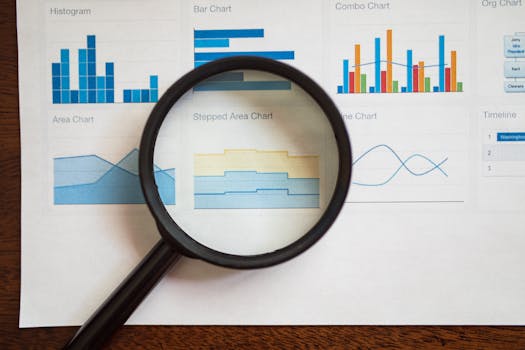
Selecting the appropriate chart type is foundational to effective data visualization. Each chart type tells a different “story” about the data, and mismatching can lead to confusion or misinterpretation.
A 2021 review of 1,000 corporate presentations found that pie charts were misused in 28% of cases, often to show trends over time (which they cannot do effectively). Similarly, line charts are ideal for showing changes over time but are confusing when used for categorical data.
Below is a table comparing common chart types and their best use cases:
| Chart Type | Best Use Case | Common Mistake |
|---|---|---|
| Bar Chart | Comparing quantities across categories | Too many bars or missing zero baseline |
| Line Chart | Showing trends over time | Used for unrelated categories |
| Pie Chart | Showing parts of a whole (with few categories) | Too many slices or tracking changes over time |
| Scatter Plot | Showing relationships between two variables | Overplotting or unclear labeling |
| Heatmap | Visualizing matrix-like data (e.g., correlations) | Poor color choices or lack of legend |
The right chart type is like the right tool for a job—it makes everything easier and more effective.
Final Thoughts: Building Trust Through Thoughtful Data Visualization
Data visualization is not just about making numbers look appealing; it’s about building trust and making information actionable. Mistakes in visualization can have far-reaching consequences—from simple confusion to costly business decisions or public misinformation.
By avoiding misleading axes, resisting the urge to overcomplicate, respecting your audience’s context, making mindful color choices, and matching chart types to your data, you ensure your visualizations are clear, accurate, and ethical. As data becomes ever more central to decision-making in every field, mastering these fundamentals is one of the most valuable skills you can develop.