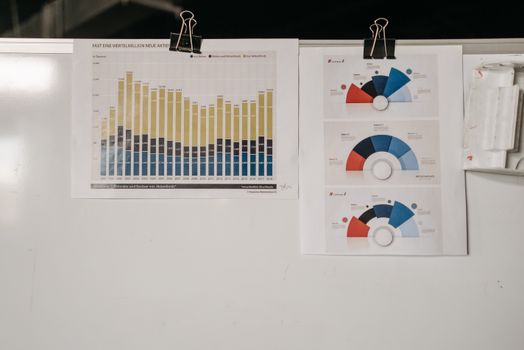
In today’s digital landscape, data is everywhere. From the moment we wake up and check our fitness trackers, to the time we read news dashboards or scroll through social media statistics, we are surrounded by numbers, charts, and graphics. Yet, while data visualization tools have become increasingly sophisticated and user-friendly, the question remains: Are we truly equipped to interpret these visualizations? The answer lies in data literacy—a critical, yet often overlooked, skill in the era of data visualization.
Understanding Data Literacy: More Than Just Numbers
Data literacy is the ability to read, understand, create, and communicate data as information. It’s not just about crunching numbers or using complex tools; it’s about knowing what data means, how it’s collected, and how it can be interpreted, especially when presented visually. According to a 2023 Data Literacy Project survey, only 24% of the global workforce considers themselves ‘data literate’, despite 82% seeing data as crucial to their job success.
The rise of data visualization—think interactive dashboards, infographics, and dynamic charts—has made it easier to access and share data. However, without strong data literacy, these tools can mislead or overwhelm rather than inform. Understanding the story behind the visuals is essential for making informed decisions, whether you’re a business professional, educator, or an engaged citizen.
.png)
The Intersection of Data Literacy and Visualization
While data visualization translates complex numbers into accessible graphics, it relies on the audience’s ability to interpret what they see. Misinterpretation is common. For example, a 2022 Pew Research Center study found that 63% of adults admitted to having difficulty accurately interpreting common types of graphs and charts.
Data literacy in the era of visualization means being able to:
- Identify what type of chart or graph is being used and why. - Recognize potential biases in the way data is presented. - Ask critical questions about data sources, methods, and context. - Distinguish between correlation and causation when viewing trends.It’s easy to be misled by a graph with a manipulated y-axis, cherry-picked data points, or selective color scales. Visualization can clarify or confuse, depending on the viewer’s literacy.
Why Data Literacy Is a Critical 21st Century Skill
The world is generating data at a staggering rate—by 2025, it’s estimated that 463 exabytes of data will be created each day globally (Source: Raconteur, 2023). In this environment, data literacy is not just a technical skill for analysts. It’s a foundational competency for professionals across all industries, as well as for individuals navigating everyday life.
Here’s why data literacy matters more than ever:
- $1 From healthcare to finance, decisions increasingly depend on interpreting data visualizations. Knowing how to read the data correctly can mean the difference between a good and a poor choice. - $1 Public policy and news organizations use data visualizations to inform the public. Data-literate citizens are better positioned to understand, question, and participate in democratic processes. - $1 According to a 2023 Accenture report, companies with high levels of data literacy are 3.5 times more likely to outperform their peers in decision-making and innovation.Common Pitfalls in Interpreting Data Visualizations
Even with the best intentions, data visualizations can be misinterpreted. Here are some of the most frequent pitfalls encountered by those with limited data literacy:
| Pitfall | Description | Example |
|---|---|---|
| Misleading Scales | Axes not starting at zero can exaggerate differences. | A bar chart showing a small difference as much larger than it is. |
| Cherry-Picked Data | Selective inclusion or exclusion of data points. | Showing only favorable months in a sales graph. |
| Improper Chart Types | Using the wrong visualization for the data. | A pie chart for non-proportional data. |
| Overcomplicated Visuals | Cluttered graphics that obscure the message. | A dashboard with too many filters and metrics. |
| Color Misuse | Poor color choices that mislead or confuse. | Red-green color scales for an audience with color blindness. |
Recognizing these pitfalls is a key element of data literacy, empowering viewers to critically engage with the data rather than passively accepting it.
Building Data Literacy for the Visual Age
Developing data literacy is a process that involves both education and practice. As data visualization tools become more widespread, so too must our ability to engage with them effectively. Here are some strategies for boosting data literacy:
1. $1 Learn to identify common chart types (bar, line, scatterplot, etc.) and understand their appropriate use cases. 2. $1 Always check where the data comes from and whether it’s reputable and up to date. 3. $1 Seek out the story behind the numbers—what is being measured, over what time period, and why? 4. $1 Be alert to potential distortions, such as truncated axes or unusual scaling. 5. $1 Ask yourself what the visualization is not showing, and consider alternative explanations for the trends depicted.Many organizations are investing in data literacy training. For instance, Gartner predicts that by 2026, 60% of organizations will formalize data literacy programs as part of their data-driven transformation efforts.
Data Literacy in Action: Real-World Examples
The impact of data literacy is evident across multiple sectors:
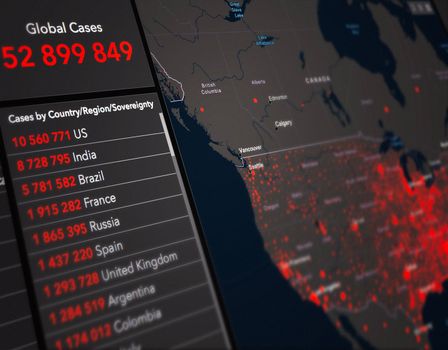
- $1 During the COVID-19 pandemic, data dashboards became essential tools for tracking infection rates and vaccine progress. Misreading these visualizations could lead to public misunderstanding or even panic. - $1 Schools are integrating data literacy into their curriculums, teaching students not only to interpret charts but also to create their own visualizations for projects and research. - $1 Companies use data dashboards to monitor sales, customer engagement, and operational efficiency. Employees who are data-literate can spot trends, identify outliers, and make data-driven recommendations with confidence.A compelling example occurred in 2021, when a global retail company implemented a data literacy program for its staff. Within a year, the company reported a 21% increase in operational efficiency and a 15% improvement in customer satisfaction scores, attributed to better use and understanding of their internal data dashboards.
Future Trends: Data Literacy and the Evolution of Visualization
The next frontier in data literacy is adapting to new and emerging forms of visualization. With the rise of artificial intelligence, augmented reality, and interactive analytics platforms, the way we consume data is changing rapidly. For example:
- $1 Retailers are piloting AR dashboards that overlay sales data in physical store environments, requiring staff to interpret real-time visual cues. - $1 Automated systems can surface trends or anomalies in data, but users must be data-literate to assess the validity and relevance of these findings. - $1 Increasingly, visualizations are embedded within narratives, requiring audiences to follow complex data-driven stories.As data visualization technology evolves, so too must the public’s ability to engage with it thoughtfully and responsibly.
Final Thoughts: Empowering Everyone With Data Literacy
In the era of data visualization, the gap between data creation and comprehension is both a challenge and an opportunity. Data literacy is not a luxury; it is a necessity for informed participation in our data-saturated world. Whether you are a professional interpreting business dashboards or a citizen navigating public health data, building your data literacy skills will empower you to make smarter, more confident decisions.
The future belongs to those who not only see the story in the data but understand it. By investing in data literacy, we can ensure that the promise of data visualization—to clarify, inform, and inspire—is fully realized.