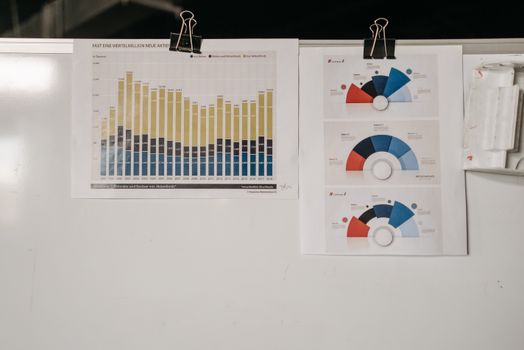
Integrating Data Visualizations into Web Applications for a Better User Experience
Data visualizations have become an essential part of modern web applications. As information grows increasingly complex, users crave tools that help them quickly absorb, analyze, and act on data. Interactive charts, maps, and dashboards are no longer just “nice-to-haves”—they’re critical features that can transform static data into actionable insights. But how do you thoughtfully integrate data visualizations into your web app in a way that genuinely improves user experience? This article explores best practices, technical strategies, and real-world considerations for weaving data visualizations into web interfaces for maximum impact.
The Impact of Data Visualizations on Web Application User Experience
Integrating data visualizations into web applications is about more than aesthetics—it’s about usability, clarity, and empowerment. According to a 2023 study by Statista, 82% of business users say interactive visualizations help them make decisions faster. In user-focused web apps, this translates to higher engagement, better retention, and increased satisfaction.
Why do visualizations make such a difference? Human brains process visuals 60,000 times faster than text, according to the Social Science Research Network. When users interact with data through compelling visuals, they can:
.png) - Instantly spot trends, outliers, and patterns
- Make complex comparisons at a glance
- Drill down for detailed insights without feeling overwhelmed
- Instantly spot trends, outliers, and patterns
- Make complex comparisons at a glance
- Drill down for detailed insights without feeling overwhelmed
Consider a financial dashboard: users can quickly compare quarterly revenue, identify top-performing products, and forecast growth—all in seconds. Without data visualizations, the same insights would take much longer to glean from raw tables or static reports.
Choosing the Right Visualization Tools and Libraries
Selecting the right technology stack is foundational to a smooth integration. There’s a vast ecosystem of libraries and frameworks, each with strengths and trade-offs. While some prioritize ease of use, others offer deep customization or advanced performance for large datasets.
Here’s a comparison of popular JavaScript visualization libraries:
| Library | Best For | Key Features | Learning Curve |
|---|---|---|---|
| Chart.js | Simple charts, quick setup | Out-of-the-box charts, responsive, lightweight | Low |
| D3.js | Custom, complex visualizations | Highly customizable, supports SVG, Canvas | High |
| Plotly.js | Interactive dashboards | Rich interactivity, export options, large chart library | Medium |
| Highcharts | Business apps, commercial use | Wide chart variety, accessibility, export features | Low-Medium |
| Recharts | React-based apps | Declarative, composable charts for React | Low |
For example, Chart.js is ideal for quickly adding simple bar or line charts with minimal configuration. D3.js, by contrast, allows for pixel-perfect custom visuals but requires deeper coding expertise. React users often turn to Recharts for seamless integration with their component-based architecture.
When choosing, consider:
- Your team’s familiarity with the library - Performance with your expected data volume (e.g., D3.js for millions of data points) - Required chart types and interactivity - Licensing (Highcharts is free for non-commercial use, paid otherwise)Integrating Visualizations: Embedding vs. Component-Based Approaches
How you integrate visualizations into a web application can significantly affect maintainability, scalability, and testability. There are two primary approaches: embedding visualizations directly or using modular, reusable components.
1. Embedding Visualizations DirectlyThis classic approach involves inserting chart code into specific web pages. It’s quick for prototypes or simple apps but can become unwieldy as your app grows.
- Pros: Fast to implement, good for one-off charts - Cons: Difficult to reuse, harder to maintain, updates require code changes everywhere 2. Component-Based IntegrationModern frameworks like React, Vue, and Angular encourage breaking UI into reusable components—including charts. For example, a “SalesBarChart” or “UserGrowthLineChart” component can be reused across multiple parts of your application.
- Pros: High reusability, easier to test, centralized updates - Cons: Slightly more initial setup, but pays off as the app scalesFor most production web applications, a component-based approach is recommended. It enables teams to standardize visuals, ensure accessibility, and update visualizations rapidly.
Best Practices for Seamless User Experiences
The true value of data visualizations emerges when they are tightly woven into the user experience, not just tacked on. Follow these best practices to ensure your visualizations enhance—not hinder—usability:
1. Contextual PlacementPlace visualizations where users need insight, not just where there’s space. For example, a project management tool might show a burndown chart right next to the task list, providing immediate context.
2. Responsive and Mobile-FriendlyMore than 55% of web traffic now comes from mobile devices (Statista, 2024). Ensure your visualizations are responsive, resizing gracefully for various screen sizes. Libraries like Chart.js and Highcharts offer built-in responsiveness.
3. Interactivity with PurposeInteractive features like tooltips, zooming, filtering, and drill-downs empower users to explore data at their own pace. However, avoid overwhelming users—prioritize essential interactions and keep advanced options discoverable but unobtrusive.
4. AccessibilityAs of 2022, nearly 15% of the world’s population lives with some form of disability (World Bank). Use semantic markup, colorblind-friendly palettes, and keyboard navigation to ensure everyone can access your insights.
5. Performance OptimizationHeavy data and complex visuals can slow down your app. Optimize by:
- Lazy loading charts as users scroll or interact - Aggregating large datasets on the backend - Using virtualization techniques for big data tables 6. Consistent Design LanguageAlign chart colors, fonts, and styles with your app’s overall branding. Consistency builds trust and helps users interpret visuals more quickly.
Real-World Integration Examples
Seeing how leading applications incorporate data visualizations can spark inspiration for your own projects. Here are three real-world examples:
1. Fitness Trackers (e.g., Strava)Strava integrates interactive line graphs showing weekly activity, heat maps for route popularity, and personal best trackers. Users can filter by activity type, time period, or location—all embedded within the main dashboard for context.
2. Financial Platforms (e.g., Robinhood)Robinhood’s app features live-updating stock charts with zoom and pan controls. Users can tap to view specific data points, compare multiple stocks, and toggle views (candlestick, line, area) seamlessly within their portfolio screens.
3. Project Management Tools (e.g., Asana)Asana integrates burndown charts, pie charts of task distribution, and progress bars directly into project views. Interactive filters let users drill down by assignee, deadline, or task type—turning raw lists into actionable insights.
In each case, the visualization is not an afterthought: it’s central to the user’s workflow, providing immediate value without cognitive overload.
Common Challenges and How to Overcome Them
While the benefits are clear, integrating data visualizations comes with challenges:
1. Data Quality and ConsistencyPoor or inconsistent data can render visualizations misleading or unusable. Establish robust data validation and cleansing processes before visualizing.
2. Performance BottlenecksLarge datasets or complex charts may slow down loading times. Use data aggregation, efficient state management, and client-side rendering optimization to keep the experience smooth.
3. Cross-Browser and Device CompatibilityWhat looks great in Chrome on desktop might break in Safari on a mobile device. Always test visualizations across browsers and devices, leveraging libraries with strong cross-platform support.
4. User OnboardingNot all users are data-savvy. Consider adding onboarding tooltips, contextual help, or “how to read this chart” explanations for complex visuals.
5. Security and PrivacyIf your visualizations involve sensitive or personal data, ensure all information is properly anonymized and access controlled. Follow best practices for data security throughout your stack.
Maximizing the Value of Data Visualizations in Your Web Application
Integrating data visualizations into web applications is no longer optional—it’s a crucial driver of user engagement and satisfaction. When thoughtfully implemented, visualizations empower users to understand complex information, make faster decisions, and take meaningful action.
To succeed, start by choosing the right tools for your tech stack and use case. Favor modular, component-based integration for maintainability. Prioritize context, accessibility, interactivity, and performance for a seamless user experience. And always test with real users to ensure your visualizations truly meet their needs.
Whether you’re building a fitness tracker, a financial dashboard, or a business analytics tool, the right data visualizations can set your web application apart in a crowded digital landscape.