In the era of big data, visualizations have become an indispensable tool for making sense of complex information. However, a poorly executed chart or misleading graph can result in misunderstandings, flawed decisions, and even the spread of misinformation. Errors in data visualization are surprisingly common, and their consequences can be profound: in one 2019 survey, 61% of business professionals admitted to making a wrong decision based on misunderstood data visuals. This article delves deep into the types of errors that occur in data visualization, analyzes their causes and impacts, and, most importantly, offers practical ways to avoid them. Whether you're a data analyst, business manager, educator, or simply a curious reader, understanding these pitfalls is key to unlocking the true value of visual data.
Common Types of Errors in Data Visualization
Data visualization errors can creep in at many stages—during data collection, design, interpretation, or communication. Here are some of the most prevalent types:
1. $1: One of the most notorious errors is manipulating axes or scales to exaggerate or downplay trends. For example, starting the y-axis at a value other than zero can make small differences appear dramatic. A 2021 analysis found that 44% of business charts used a truncated y-axis, often distorting the viewer’s perception. 2. $1: Choosing the wrong visualization can obscure the message. For instance, using a pie chart to compare too many categories makes it hard to discern differences, while line charts may misrepresent categorical data. 3. $1: Omitting relevant data points, time frames, or categories can lead to biased interpretations. This error is common in financial reports, where selective date ranges can paint an overly optimistic or pessimistic picture. 4. $1: Adding excessive colors, 3D effects, or unnecessary elements (often called “chartjunk”) can distract and confuse rather than clarify. The average time for a viewer to comprehend a simple bar chart is under 7 seconds, but cluttered visuals can increase this by 60% or more. 5. $1: Poor labeling, missing legends, or unclear units can render a visualization useless. In a 2018 usability study, 36% of users misinterpreted charts solely due to unclear labels.Root Causes Behind Visualization Errors
Understanding why errors occur is the first step in preventing them. Several factors contribute to the prevalence of visualization mistakes:
.png) - $1: Many professionals lack formal training in data visualization best practices. The World Economic Forum reports that only 24% of employees feel confident interpreting data visuals.
- $1: Rushed deadlines or overreliance on automated tools can lead to default settings that aren’t optimal for the data at hand.
- $1: While attractive visuals can capture attention, focusing solely on design can lead to distorted or misleading representations.
- $1: Sometimes, creators unintentionally present data in a way that supports their own hypotheses or business goals, overlooking contrary evidence.
- $1: Many professionals lack formal training in data visualization best practices. The World Economic Forum reports that only 24% of employees feel confident interpreting data visuals.
- $1: Rushed deadlines or overreliance on automated tools can lead to default settings that aren’t optimal for the data at hand.
- $1: While attractive visuals can capture attention, focusing solely on design can lead to distorted or misleading representations.
- $1: Sometimes, creators unintentionally present data in a way that supports their own hypotheses or business goals, overlooking contrary evidence.
Case Studies: Real-World Impacts of Visualization Mistakes
To illustrate the tangible consequences of data visualization errors, let’s examine a few notable cases:
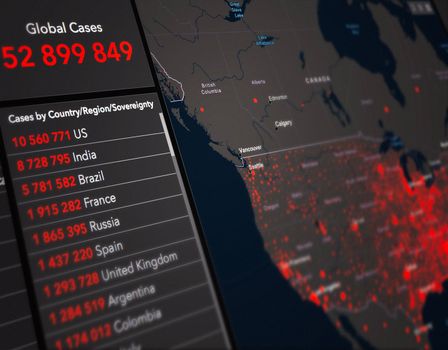
- $1: In early 2020, several news outlets published pandemic graphs with truncated y-axes or logarithmic scales without clear explanations. This led to widespread confusion about the severity and trajectory of case numbers. A survey by Pew Research Center found that 38% of Americans misunderstood pandemic trends due to unclear visuals. - $1: A 2018 financial report used a pie chart to show yearly market share changes for 12 companies. The chart’s crowded slices and similar colors made it nearly impossible for investors to discern winners and losers, leading to misinformed investment decisions. - $1: In a 2015 standardized test analysis, bar charts lacked clear labels for school districts and omitted the sample sizes. Parents and policymakers drew false conclusions about school performance, resulting in policy proposals based on faulty interpretations.Comparing Visualization Errors: Frequency and Impact
The following table summarizes the relative frequency and potential impact of common visualization errors, based on industry surveys and academic research:
| Error Type | Frequency (%) | Potential Impact | Example Context |
|---|---|---|---|
| Misleading Scales | 44% | High – can alter perceived trends | Stock performance, public health |
| Inappropriate Chart Type | 38% | Medium – can obscure key insights | Market share, survey results |
| Data Omission | 29% | High – can bias conclusions | Policy reports, marketing |
| Overcomplicated Visuals | 23% | Medium – reduces comprehension | Dashboard analytics |
| Poor Labeling | 36% | Medium – causes misunderstanding | Educational materials |
It’s clear that some errors, like misleading scales and data omission, are both frequent and impactful, underscoring the importance of vigilance.
Best Practices to Prevent Data Visualization Errors
Avoiding visualization errors requires a mix of technical skill, critical thinking, and user empathy. Here’s how to steer clear of the most common pitfalls:
- $1: Define the key message you want to communicate. Every design decision, from chart type to color scheme, should support this purpose. - $1: Use bar charts for comparisons, line charts for trends over time, scatter plots for relationships, and so forth. Avoid pie charts for more than 5 categories or when values are close in size. - $1: For bar and column charts, starting the y-axis at zero helps prevent exaggeration. If a truncated axis is necessary, clearly annotate and explain why. - $1: Present a complete picture, including outliers, time frames, and data sources. If data is omitted for clarity, note this transparently. - $1: Remove unnecessary colors, 3D effects, and decorative elements. Stick to a limited color palette and simple design to enhance readability. - $1: Use descriptive titles, legends, and axis labels. Specify units and data sources. Test your visuals with colleagues to ensure clarity. - $1: Use colorblind-friendly palettes and avoid relying solely on color to convey meaning. According to Color Blind Awareness, 1 in 12 men and 1 in 200 women are colorblind—roughly 8% of the population. - $1: Have another person check your visualizations for clarity, accuracy, and unintended bias. Peer review can catch errors that creators overlook.Leveraging Tools and Technology for Error Reduction
While human oversight is crucial, technology can also help prevent common mistakes:
- $1: Modern tools like Tableau, Power BI, and Google Data Studio include built-in recommendations for chart types and flag some common errors (like missing labels or unreadable colors). - $1: Using established templates from reputable sources reduces the likelihood of design errors. - $1: Tools such as Color Oracle or Adobe Color can simulate colorblindness and test for sufficient contrast. - $1: Before visualizing, use data profiling tools (e.g., OpenRefine, Talend) to check for missing or inconsistent data. According to Gartner, poor data quality costs organizations an average of $12.9 million per year.However, no tool can replace critical thinking and a user-focused approach. Technology should enhance, not replace, human judgment.
Key Takeaways: Building Trustworthy Data Visualizations
Ultimately, the power of data visualization lies in its ability to illuminate truth and foster informed decision-making. But when errors creep in—whether through misleading scales, poor design choices, or ambiguous labels—the value of visualization is compromised, and trust is eroded. By understanding the most common pitfalls, their root causes, and the best practices to avoid them, individuals and organizations can create visuals that are both accurate and compelling.
Data visualization is both a science and an art; mastering it requires ongoing learning, attention to detail, and empathy for your audience. When done right, it transforms data into a powerful narrative that drives progress and understanding.