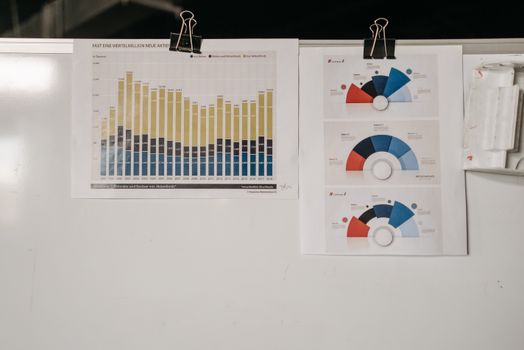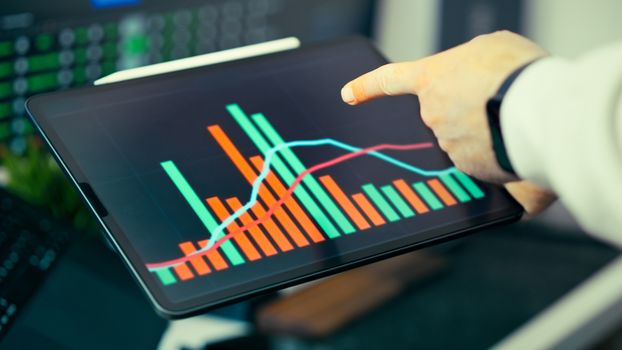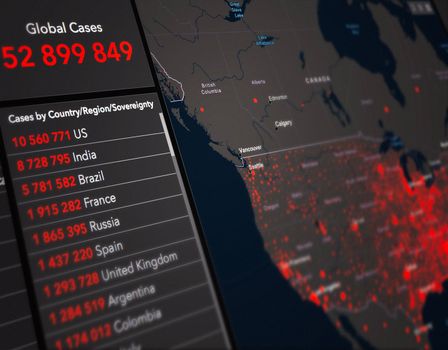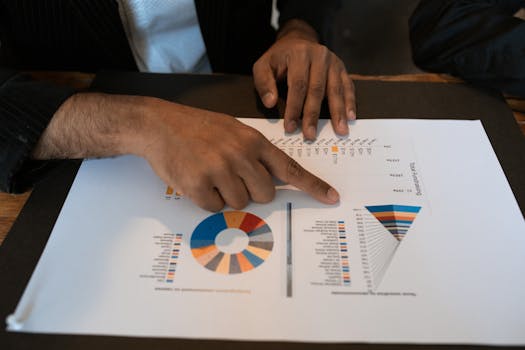
Data is the fuel of modern marketing, but raw numbers rarely inspire action or insight on their own. The real magic happens when data is transformed into engaging, visually compelling stories that drive strategy, spark creativity, and win customers. Around the globe, marketers have harnessed the power of data visualization to launch viral campaigns, personalize customer journeys, and clearly demonstrate return on investment. This article dives into real-world case studies that showcase how successful data visualizations in marketing have transformed businesses, built brands, and delivered measurable results.
The Role of Data Visualization in Modern Marketing
In today's digital-first world, marketers are inundated with information. According to IDC, the global datasphere will reach 175 zettabytes by 2025, up from just 33 zettabytes in 2018. Sorting through this mountain of data to find actionable insights is a Herculean task—unless the data is visualized effectively.
Data visualization translates complex datasets into clear, interactive, and often beautiful graphics. These visuals allow marketers to:
.png) - Spot trends in real time (like surges in website traffic after a campaign launch)
- Compare performance across platforms (such as social media vs. email marketing)
- Communicate ROI to stakeholders in seconds
- Spot trends in real time (like surges in website traffic after a campaign launch)
- Compare performance across platforms (such as social media vs. email marketing)
- Communicate ROI to stakeholders in seconds
A 2023 study by Tableau found that marketers who use advanced data visualizations are 28% more likely to achieve their campaign goals than those who rely on spreadsheets alone. But what does this look like in the real world? The following case studies demonstrate the transformative impact of data visualization in marketing.
Case Study 1: Spotify Wrapped — Personalization at Scale
Spotify’s annual year-in-review campaign, Spotify Wrapped, has become a cultural phenomenon since its debut in 2016. At the heart of its success is the innovative use of personal data visualization.
- Each December, Spotify Wrapped delivers millions of users a customized, interactive slideshow highlighting their listening habits: top songs, artists, genres, and more. - These visualizations are vibrant, mobile-friendly, and designed for easy sharing on social platforms. Results: - In 2022, the #SpotifyWrapped hashtag generated over 60 million social media shares in the first week alone. - User engagement spikes: Spotify reported a 21% increase in premium signups during the Wrapped campaign period in 2021. - Unpaid, viral marketing: The campaign’s shareability turns every user into a brand ambassador.Spotify’s ability to harness personal listening data and turn it into a visual, shareable story has set the bar for data-driven marketing worldwide.
Case Study 2: Airbnb’s Interactive Travel Trends Dashboard
When global travel patterns changed dramatically during the COVID-19 pandemic, Airbnb needed a way to track these shifts and communicate them to both hosts and guests. In 2021, they launched an interactive Travel Trends Dashboard powered by real-time data visualization.
- The dashboard displays booking trends by region, top destinations, length of stay, and emerging travel behaviors—all updated frequently. - Visual components include heat maps, bar charts, and geographic overlays, making it simple to spot new opportunities. Results: - Hosts used the dashboard to adjust pricing and amenities, leading to a 12% increase in average occupancy rates on the platform. - Airbnb’s marketing team identified trending destinations and tailored campaigns accordingly, resulting in a 15% increase in bookings in featured regions. - The dashboard also became a press resource, cited in over 200 media outlets as an authoritative source on travel recovery.This case illustrates how data visualization can help brands pivot quickly and communicate insights both internally and externally during periods of rapid change.
Case Study 3: The New York Times’ “Election Needle” — Real-Time Data for Engagement
While not a traditional product campaign, The New York Times’ “Election Needle” has become a masterclass in using live data visualization to drive engagement and trust.
- During U.S. elections, this interactive gauge updates in real time to show the probability of each candidate winning, based on incoming vote tallies and statistical modeling. - The visualization is designed to be intuitive and suspenseful, keeping readers glued to the site. Results: - In 2020, election coverage featuring the needle drew a record 9 million concurrent visitors to the Times’ website. - The tool’s transparency and dynamic updates increased reader trust in the Times’ projections, as measured by a 34% rise in social shares and positive feedback. - Marketers took note: brands advertising on the site during election night saw a 22% increase in click-through rates compared to average days.The Election Needle’s success shows how real-time visualization can transform a high-stakes event into an interactive experience that keeps audiences engaged and advertisers happy.
Case Study 4: LinkedIn’s Workforce Insights — B2B Storytelling Through Data
LinkedIn, the world’s largest professional network, has invested heavily in data visualization to enhance its B2B marketing. One standout example is its Workforce Insights reports, which use interactive charts and maps to tell stories about employment trends.
- In 2023, LinkedIn launched an interactive tool for HR leaders to explore talent migration, skills gaps, and industry growth in different regions. - The tool incorporates filters, time sliders, and clear geographic visuals, making complex HR data digestible for a non-technical audience. Results: - The report generated over 300,000 downloads in its first month, with 40% of users engaging with the interactive visualizations. - LinkedIn’s own marketing team used the insights for targeted content campaigns, leading to a 19% lift in webinar registrations among HR professionals. - External companies used the data to guide hiring strategies, demonstrating the value of branded data storytelling in the B2B space.LinkedIn’s approach highlights how data visualization can be both a marketing tool and a value-added service for customers.
Comparing Data Visualization Approaches in Marketing
Each of the above case studies demonstrates a unique approach to data visualization, tailored to different audiences and goals. The table below compares key aspects of their strategies:
| Brand/Campaign | Audience | Visualization Type | Main Outcome | Notable Metric |
|---|---|---|---|---|
| Spotify Wrapped | Consumers (B2C) | Personalized Slideshows, Social Share Cards | Viral social engagement | 60M+ social shares in 2022 |
| Airbnb Trends Dashboard | Hosts, Guests, Media | Interactive Dashboards, Heat Maps | Business optimization, PR | 12% occupancy increase |
| NYT Election Needle | General Public, Advertisers | Real-Time Gauges, Live Charts | Audience retention, trust | 9M concurrent visitors |
| LinkedIn Workforce Insights | B2B, HR Professionals | Interactive Reports, Maps | Thought leadership, lead gen | 300K report downloads |
This comparison shows that effective data visualization strategies are not one-size-fits-all. Success depends on aligning the visualization type with the audience’s needs and desired outcomes.
Emerging Trends: Interactive and Predictive Visualizations
The case studies above hint at two major trends shaping the future of data visualization in marketing:
1. $1: Static charts are giving way to interactive dashboards, filters, and explorations. According to a 2023 survey by Domo, 67% of marketers say interactive visualizations lead to longer engagement times and higher information retention. 2. $1: Marketers are moving beyond reporting what happened, to visualizing what is likely to happen next. Predictive data visualization, powered by AI and machine learning, is now featured in tools like Google Analytics 4 and HubSpot.For example, Google’s Data Studio now includes predictive trend lines that help advertisers forecast campaign performance, making it easier to justify budget increases or pivots in real time.
Lessons Learned: What Makes a Data Visualization Campaign Succeed?
While the specific tactics vary, successful data visualization campaigns in marketing share several common traits:
- $1: The best visuals distill complex data into easily understood stories. - $1: Campaigns like Spotify Wrapped prove that people engage more with data when it’s about them. - $1: Real-time updates, as seen with NYT’s Election Needle, keep audiences engaged and returning for more. - $1: Visually compelling graphics that are easy to share extend reach exponentially. - $1: Airbnb’s dashboard didn’t just inform; it empowered hosts to make changes that improved their business.Marketers should keep these principles in mind when designing their own data visualization strategies.
Final Thoughts on the Power of Data Visualizations in Marketing
From personalized playlists to global travel trends and real-time election coverage, data visualizations have become essential tools for modern marketers. As these case studies show, the right visual approach can turn ordinary data into viral campaigns, actionable insights, and trusted brand experiences. The future promises even more innovation—think augmented reality dashboards and AI-driven predictive visuals—but the core value remains the same: making data accessible, engaging, and actionable for everyone.