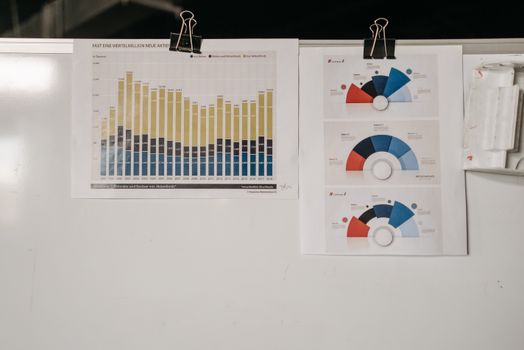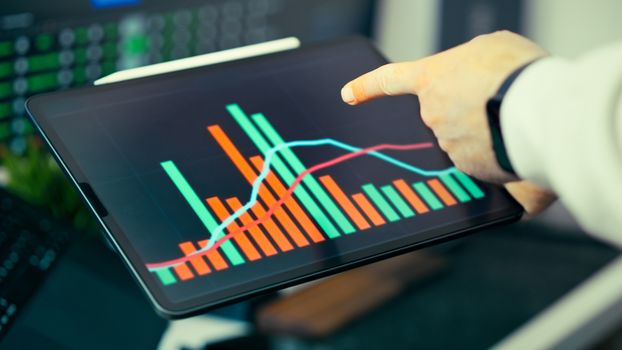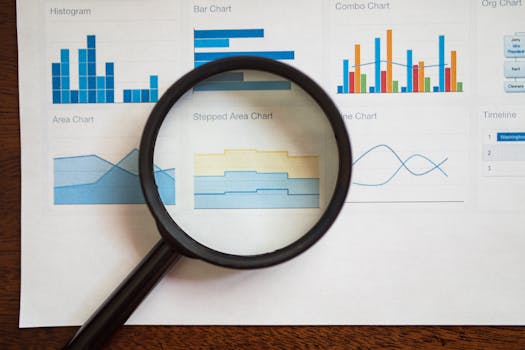
Data visualization has emerged as a transformative force in the way we interpret, process, and act upon information. In an age when the average person is bombarded with roughly 34 gigabytes of information daily, the challenge is not just accessing data, but making sense of it efficiently. Data visualizations—charts, graphs, maps, and infographics—hold unique power to shape how users perceive information, influence behavior, and ultimately guide decision-making. Let’s explore the profound impact of data visualizations on user behavior and the decisions we make, backed by research, real-world examples, and key insights you may not expect.
How Data Visualizations Capture Attention and Enhance Understanding
Human brains are hardwired for visual processing. Studies show that 90% of information transmitted to the brain is visual, and visuals are processed 60,000 times faster than text. This cognitive efficiency is one reason why data visualizations can instantly clarify complex information.
For example, a well-designed line graph can reveal trends over time at a glance, whereas a table of numbers might take several minutes to interpret. Color-coded maps can illuminate regional differences in health outcomes, while interactive dashboards allow users to filter data and discover personalized insights. In a 2020 Nielsen Norman Group study, users completed data-based tasks 30% faster when information was presented visually rather than in text.
.png)
But the impact goes beyond speed. Visualizations facilitate pattern recognition, highlight outliers, and make abstract concepts tangible. For instance, Gapminder’s animated bubble charts have been lauded for making global development trends accessible even to non-experts, influencing public understanding and policy debates.
The Psychology Behind Visual Influence on Behavior
The effectiveness of data visualizations isn’t just about clarity; it’s deeply rooted in psychology. Several cognitive biases and psychological principles explain why visualizations can shape user behavior and decisions:
- $1 How data is displayed influences interpretation. For example, a bar chart emphasizing positive growth can foster optimism, while the same data framed with negative colors or scales can induce caution. - $1 Bright colors and prominent graphics draw attention and can direct users toward certain data points, subtly influencing which information they prioritize. - $1 The first numbers or visuals seen can serve as anchors, affecting subsequent judgments. A dashboard that highlights a high sales figure first can set a positive tone for reviewing other metrics.A 2021 MIT study found that users were 50% more likely to recall information from an infographic than from a written report. Moreover, persuasive visualizations can change attitudes: A randomized experiment by the Pew Research Center revealed that people exposed to climate change data in visual form were 23% more likely to support environmental policies than those who received the same facts in text.
Data Visualizations and Decision Quality: Evidence from Business and Beyond
The real-world impact of data visualization on decision-making is well documented across industries. Businesses, governments, and healthcare organizations increasingly rely on data visualization tools to drive better decisions.
- $1 According to a 2022 Gartner survey, 74% of business leaders say data visualizations are “critical” or “very important” in strategic decision-making. Sales teams using visual dashboards close deals 15% faster, and supply chain managers report 20% fewer errors when relying on visual analytics rather than spreadsheets. - $1 In a 2019 study, doctors using visual patient dashboards made more accurate diagnoses in 18% more cases compared to those using traditional text-based records. - $1 During the COVID-19 pandemic, public health dashboards provided visual case trends that influenced both individual behaviors (such as mask-wearing) and government policy decisions.These examples underscore how visualizations not only speed up and clarify decisions, but can also improve their quality and outcomes.
Comparing Data Visualizations to Raw Data: A Measurable Difference
To illustrate the tangible impact of data visualizations compared to traditional raw data formats, consider the following comparison based on user studies and industry reports:
| Aspect | Raw Data (Tables/Text) | Data Visualizations |
|---|---|---|
| Average Time to Insight | 5-10 minutes | 1-2 minutes |
| Recall Rate (after 1 week) | 25% | 50% |
| Error Rate in Interpretation | 15% | 5% |
| User Engagement (session time) | Low: 1-2 min | High: 5-7 min |
| Persuasion/Behavioral Change | Moderate | High |
These metrics highlight how data visualizations can double recall rates, cut error rates by two-thirds, and significantly increase user engagement compared to raw tables or text.
The Role of Interactivity and Personalization in Influencing Decisions
Modern data visualizations are increasingly interactive, allowing users to manipulate data, explore scenarios, and tailor views to their needs. This interactivity strengthens engagement and empowers users to make data-driven choices.
For example, financial planning apps often use interactive charts to let users adjust variables like savings rate or investment timeline and immediately see projected outcomes. A 2022 Forrester report found that users of interactive dashboards were 60% more likely to take positive financial actions (e.g., increase savings) than those using static reports.
Personalization also matters. When users can filter or segment data relevant to their circumstances—such as a city’s crime map zoomed into their neighborhood—they’re more likely to act on the information presented. This customized experience increases the perceived relevance and trustworthiness of data, further shaping decisions.
Potential Pitfalls: When Data Visualizations Mislead or Manipulate
While the benefits are substantial, data visualizations can also mislead if poorly designed or intentionally manipulated. Common issues include:
- $1 Truncated axes or distorted scales can exaggerate differences or trends. - $1 Selectively displaying only favorable data skews perceptions. - $1 Too many design elements can distract or create false emphasis.The infamous “flattening the curve” graphs during the early COVID-19 pandemic illustrate both the power and risk of visualizations: well-designed versions clarified the importance of social distancing, while misleading variants confused audiences or downplayed risks.
A 2018 study by the University of Michigan found that 37% of users misinterpreted intentionally misleading bar graphs, compared to only 8% with accurate representations. This emphasizes the ethical responsibility of data communicators to ensure visualizations inform, not deceive.
The Future: AI, Storytelling, and the Next Generation of Data Visualizations
Looking ahead, the convergence of artificial intelligence (AI), advanced graphics, and narrative storytelling is poised to amplify the impact of data visualizations on user behavior.
AI-powered tools can automatically surface insights, identify patterns, and even suggest optimal visual formats for different audiences. Narrative visualizations—those that combine data with contextual explanations and storytelling—are shown to boost comprehension by up to 40%, according to a 2023 Stanford study.
Immersive technologies, such as augmented and virtual reality, are beginning to bring data to life in three dimensions, allowing users to “walk through” complex datasets, further enhancing engagement and decision-making.
As the data deluge grows, the importance of ethical, accessible, and impactful visualizations will only increase. Organizations and individuals alike will benefit by prioritizing clear, accurate, and user-centered visual communication strategies.
Key Takeaways on Data Visualizations and Decision Making
Data visualizations are far more than aesthetic enhancements—they are powerful cognitive tools that shape how we understand, remember, and act on information. By leveraging our innate visual processing strengths, well-designed visualizations improve decision speed, accuracy, and engagement across domains from business to public health.
However, with this power comes the need for ethical responsibility. Misleading or poorly crafted visualizations can distort understanding and negatively influence behavior. The future of data visualization promises even more dynamic, interactive, and personalized experiences—raising both opportunities and new challenges for shaping user decision-making.