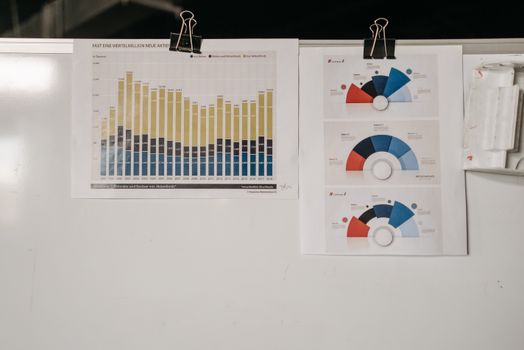
Data is everywhere, but making sense of it is often a challenge. Whether you’re presenting quarterly sales numbers, research findings, or survey results, the real impact comes not from the numbers themselves, but from the story they tell. Storytelling in data visualization presentations is more than just adding a narrative over slides—it's about crafting a journey that leads your audience from confusion to clarity, sparking understanding, retention, and action. But how do you move beyond charts and graphs to truly engage your audience and make your data memorable? Let’s explore how storytelling can transform your data presentations from forgettable to unforgettable.
The Power of Storytelling in Data Visualization
Humans are wired for stories. According to Stanford University research, people remember stories up to 22 times more than facts alone. When we present data in isolation, it’s easy to lose our audience in a sea of numbers. But when data is woven into a compelling story, it becomes relatable and actionable.
Storytelling in data visualization presentations achieves several key objectives:
.png) - It contextualizes data, making abstract numbers meaningful.
- It guides audiences through complex information step by step.
- It inspires emotional connections, boosting engagement and recall.
- It contextualizes data, making abstract numbers meaningful.
- It guides audiences through complex information step by step.
- It inspires emotional connections, boosting engagement and recall.
A 2023 Tableau survey revealed that 79% of business leaders believe data storytelling is critical for driving organizational change. Yet only 28% feel their teams are skilled storytellers. Bridging this gap can be a game-changer for your presentations.
Structuring Your Presentation with Storytelling Techniques
Effective data storytelling doesn’t happen by accident—it follows a strategic structure. The classic narrative arc, familiar from novels and movies, works just as well in the boardroom or classroom:
1. $1 Introduce the context or problem. 2. $1 Present the data and insights, building intrigue or tension. 3. $1 Reveal the key finding or turning point. 4. $1 Discuss implications or solutions. 5. $1 End with a strong takeaway or call to action.Let’s look at a practical example. Imagine you’re presenting survey data on employee satisfaction:
- $1 “Last year, we noticed increased turnover rates. What’s driving this trend?” - $1 “Our employee survey shows engagement scores have dropped 15% in the last 12 months, especially among new hires.” - $1 “Interestingly, teams with structured onboarding programs had 25% higher engagement.” - $1 “Let’s examine what they’re doing differently.” - $1 “By adopting these onboarding best practices, we can boost retention and morale.”This narrative not only presents the data, but also draws the audience into a logical, emotional journey.
Choosing the Right Visuals to Support Your Story
Not all charts are created equal. The visuals you select should directly support the story you want to tell. Choosing the wrong visual can obscure your message or even mislead your audience. Here’s a comparison of common chart types and their storytelling strengths:
| Chart Type | Best For | Storytelling Use | Example |
|---|---|---|---|
| Line Chart | Trends over time | Show progression, highlight peaks/valleys | Sales growth over quarters |
| Bar Chart | Comparisons | Contrast categories, emphasize differences | Revenue by department |
| Scatter Plot | Relationships between variables | Reveal correlations or outliers | Marketing spend vs. lead generation |
| Pie Chart | Parts of a whole | Show proportions, focus on dominant segments | Market share by brand |
| Heat Map | Patterns and intensity | Spot trends, identify hotspots | Website click activity |
For storytelling, it’s often helpful to limit each visual to a single key message. Data visualization expert Cole Nussbaumer Knaflic recommends asking, “What’s the one thing I want my audience to remember from this chart?” and designing accordingly.
Using Color, Annotation, and Emphasis to Guide the Story
Subtle design choices can make a big difference in storytelling. Color, annotation, and visual emphasis help direct your audience’s attention and reinforce your message.
- $1 Use a contrasting color to highlight the most important data point. For example, if one bar in a chart represents a concerning drop in performance, color it red while keeping the others neutral. - $1 Add callouts or notes to explain key points, provide context, or link data back to your narrative. - $1 Use bold, larger fonts, or icons to draw focus to the main takeaway.A study by MIT found that people process visual scenes in as little as 13 milliseconds. Strategic use of visual emphasis ensures your message gets through quickly and clearly, even in a room full of distractions.
Weaving Emotion and Empathy into Data Stories
Numbers can feel cold or impersonal, but stories create emotional resonance. To make your data memorable, connect it to real-world impacts or human experiences.
Consider these approaches:
- $1 Share a brief story or testimonial that embodies the data trend. “Maria, a new hire, nearly left after feeling unsupported during her first month—one of 40% who cite onboarding as a key concern.” - $1 Relate big numbers to everyday concepts. “Our energy savings this year could power 200 homes for a month.” - $1 Engage your audience by asking questions that spark curiosity or empathy. “How would you feel if your first week at work left you more confused than confident?”According to a 2021 Gallup poll, emotional engagement increases information recall by up to 70%. By connecting your data to feelings and real-life stories, you make your message stick.
Iterating and Testing Your Data Story
The best data stories are rarely perfect on the first try. Test your narrative with colleagues or a small audience before presenting to a wider group. Ask for feedback:
- Is the main message clear? - Do the visuals support the story, or distract from it? - Does the narrative flow logically from beginning to end?Consider using A/B testing for key slides or visuals. In a 2022 study by Harvard Business Review, teams that iterated on their data visualizations improved audience comprehension by 28% compared to those who didn’t revise.
Embrace feedback and tweak your story for maximum impact—every iteration brings you closer to clarity and persuasion.
Key Takeaways: Making Your Data Story Shine
Storytelling is the bridge between data and decision-making. By structuring your presentation as a narrative, choosing visuals that reinforce your message, using design elements to guide attention, and weaving in emotion, you transform raw numbers into actionable insights.
Remember these best practices:
- Start with a clear narrative arc. - Select visuals that fit your story, not just your data. - Use color, annotation, and emphasis to highlight key points. - Connect data to people and real-world outcomes. - Iterate and test for clarity and impact.With these techniques, your next data visualization presentation won’t just inform—it will inspire.