Data knows no borders, but people do. In today's globalized workplaces, teams often span numerous cultures, languages, and backgrounds. This creates both exciting opportunities and unique communication challenges. When conversations are laced with diverse perspectives, how can we ensure everyone is on the same page, especially when discussing complex information? The answer increasingly lies in the power of data visualization.
Effective data visualization is more than just pretty charts and graphs. It acts as a bridge, translating intricate data into a universal visual language that can resonate across cultural divides. But how and why does it work so well in multicultural settings? What are the pitfalls to avoid, and how can organizations harness its full potential? This article explores the true impact of data visualization on communication in multicultural environments, providing insights, real-world examples, and practical recommendations.
The Unique Communication Hurdles in Multicultural Environments
Before diving into the role of data visualization, it's crucial to understand the communication barriers present in multicultural contexts. According to a 2022 report by Harvard Business Review, over 60% of global teams cite communication challenges as a major hurdle to productivity. These challenges often stem from:
.png) - Language differences: Even when everyone speaks a "common" language, varying levels of fluency and idiomatic usage can cause confusion.
- Cultural norms: Attitudes toward hierarchy, directness, and emotional expression can differ vastly, shaping how information is interpreted.
- Cognitive frameworks: People from different cultures may process information and solve problems in distinct ways.
- Language differences: Even when everyone speaks a "common" language, varying levels of fluency and idiomatic usage can cause confusion.
- Cultural norms: Attitudes toward hierarchy, directness, and emotional expression can differ vastly, shaping how information is interpreted.
- Cognitive frameworks: People from different cultures may process information and solve problems in distinct ways.
For example, a 2023 survey by the Society for Human Resource Management (SHRM) found that misinterpretation of business data led to project delays in 38% of multicultural teams. Clearly, relying on text-heavy emails or spoken presentations isn't always sufficient.
Why Data Visualization Bridges Cultural Gaps
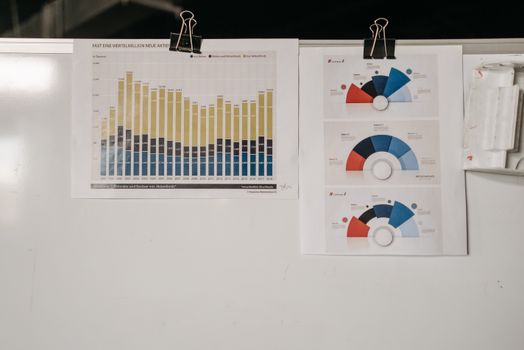
Data visualization has a unique power: it distills complex ideas into visual elements that can be grasped quickly, regardless of language or background. Here’s why it works:
1. $1 Studies show that humans process images 60,000 times faster than text. Shapes, colors, and spatial relationships are understood across cultures, making visuals a "universal language". 2. $1 Visuals help declutter information, making it easier to digest. According to a 2021 MIT study, infographics improved information retention by 42% in multicultural groups compared to text alone. 3. $1 Visuals are more likely to capture and hold attention, facilitating better participation in meetings and discussions.For instance, a multinational company like Siemens uses dashboards with clear icons and color coding to present performance metrics to teams in over 100 countries. Employees report higher comprehension and faster decision-making as a result.
Case Studies: Data Visualization in Action Across Cultures
To understand the real-world impact, let’s look at how organizations have used data visualization to enhance multicultural communication:
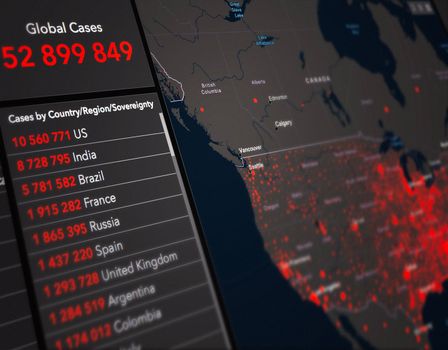
1. $1 The World Health Organization (WHO) routinely publishes global disease trends as interactive maps and infographics. These visuals allow policy makers from vastly different backgrounds to quickly assess outbreaks and allocate resources, even when language barriers exist. 2. $1 At Volvo, project timelines are displayed as Gantt charts with universally understood symbols. This practice reduced scheduling misunderstandings by 35% across teams in Sweden, China, and Brazil, according to Volvo’s 2023 internal communications report. 3. $1 In 2020, the University of Melbourne developed data-driven dashboards for its international students. Visual progress trackers, rather than text-based summaries, led to a 28% improvement in course completion rates among students from non-English-speaking backgrounds.These examples reveal that data visualization isn't just a tool for clarity—it actively supports inclusivity and equal participation.
Designing Culturally Sensitive Data Visualizations
While visuals are powerful, they are not always culture-neutral. Certain colors, symbols, or metaphors may have different meanings in different parts of the world. For example:
- Red symbolizes luck in China, but can signal danger in the U.S. or mourning in South Africa. - Icons like thumbs up are positive in many Western countries, but offensive in parts of the Middle East.To maximize cross-cultural effectiveness, consider these design recommendations:
- $1 Use color palettes that are colorblind-friendly and check for cultural interpretations. Neutral blues and greens are generally safe. - $1 Stick to globally recognized icons. Avoid gestures or symbols that could be misinterpreted. - $1 Use minimal text and opt for numbers, percentages, or pictograms wherever possible. - $1 Simple, uncluttered designs are easier to interpret across cultures. Avoid intricate metaphors or nested information. - $1 If case studies or personas are included, represent a mix of cultures and backgrounds.A 2022 Nielsen Norman Group study found that culturally sensitive dashboards improved user satisfaction by 31% among global teams, compared to generic designs.
Comparative Overview: Text-Based vs. Visual Communication in Multicultural Settings
To clearly illustrate the impact of data visualization, here's a comparison table summarizing key differences between traditional text-based communication and visual communication in multicultural environments:
| Aspect | Text-Based Communication | Data Visualization |
|---|---|---|
| Comprehension Speed | Slower, depends on language proficiency | Up to 60,000x faster processing (MIT, 2021) |
| Error Rate | Higher due to misinterpretation | Lower; visual cues reduce ambiguity |
| Cross-Cultural Effectiveness | Variable, often hindered by idioms/jargon | Consistently high when designed inclusively |
| Engagement | Often low, especially with dense information | Higher; visuals capture and retain attention |
| Information Retention | Lower (42% less, MIT, 2021) | Higher retention rates |
This overview highlights why global organizations are increasingly investing in data visualization tools and training.
Realizing the Full Potential: Best Practices for Organizations
To fully harness the benefits of data visualization in multicultural environments, organizations should:
1. $1 Equip employees with basic data literacy and visualization skills. According to Gartner, companies that offered such training in 2023 saw a 25% boost in cross-team collaboration. 2. $1 Develop internal guidelines for charts, colors, and icons to ensure consistency across regions. 3. $1 Tools like Tableau, Power BI, and Google Data Studio allow teams to explore data together, bridging gaps in understanding. 4. $1 Regularly solicit feedback from global teams to identify and address cultural blind spots in visual design. 5. $1 Use data visualizations as opportunities to share insights from different markets, encouraging mutual learning and respect.One success story comes from Unilever, which rolled out a standardized dashboard platform in 2022. After implementation, employee survey responses showed a 40% improvement in perceived clarity of global communications.
Looking Ahead: The Evolving Role of Data Visualization in a Globalized World
As the modern workplace becomes even more global and remote, the importance of clear, inclusive communication will only grow. Data visualization will continue to play a central role, but organizations must remain vigilant against cultural missteps and strive for truly universal design.
Emerging technologies—such as real-time translation overlays, AI-driven personalization, and immersive 3D visualizations—may further enhance communication across cultures. However, the core principles will remain: clarity, simplicity, and empathy.
In summary, data visualization is not just a technical solution—it's a strategic asset for fostering mutual understanding and collaboration in multicultural environments.