In the fast-evolving world of data science, the ability to convey insights quickly and clearly is more important than ever before. With organizations generating unprecedented amounts of data—global data creation reached 120 zettabytes in 2023, according to Statista—the role of data visualization has expanded far beyond static charts and graphs. In 2024, new trends are reshaping how we interact with and interpret data, driven by advances in technology, user expectations, and the growing complexity of datasets. This article explores the latest trends in data visualization for 2024, examining not just the tools, but the philosophies and techniques that are setting new standards for clarity, accessibility, and engagement.
The Rise of Story-Driven Data Visualizations
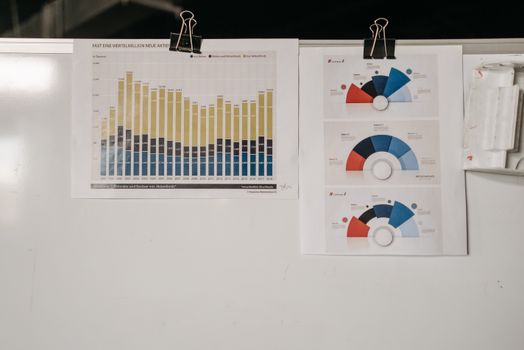
In 2024, data storytelling has emerged as a central trend in data visualization. Rather than presenting raw numbers or complex dashboards, organizations are weaving narrative elements into their visualizations to drive engagement and comprehension. This approach goes beyond simply showing what the data is—it focuses on why it matters and what actions should be taken.
For example, The New York Times’ interactive COVID-19 trackers combined annotated timelines, embedded explanations, and scannable visuals, dramatically increasing reader retention. According to a 2023 survey by the Data Visualization Society, 71% of professionals reported that story-driven visuals were more effective for executive decision-making than traditional charts.
.png) Key characteristics of story-driven data visualizations in 2024 include:
- Sequential flow: Visuals are arranged to guide the viewer through a logical progression.
- Contextual annotation: Notes, highlights, and callouts explain anomalies or trends directly on the chart.
- Actionable insights: Conclusions or recommendations are embedded alongside the data, not relegated to a separate report.
Key characteristics of story-driven data visualizations in 2024 include:
- Sequential flow: Visuals are arranged to guide the viewer through a logical progression.
- Contextual annotation: Notes, highlights, and callouts explain anomalies or trends directly on the chart.
- Actionable insights: Conclusions or recommendations are embedded alongside the data, not relegated to a separate report.
By treating data as a narrative, organizations are making analytics more accessible to non-technical stakeholders and increasing the impact of their findings.
Personalized and Adaptive Visualizations
Another major trend in 2024 is the rise of personalized and adaptive data visualizations. With the proliferation of business intelligence platforms and cloud-based analytics, users expect visualizations that adapt to their specific roles, preferences, and devices.
Leading platforms now offer dashboards that automatically adjust: - Content: Highlighting KPIs most relevant to the user’s department or past behavior. - Level of detail: Offering high-level summaries for executives, with the ability to drill down into granular data for analysts. - Device optimization: Responsive layouts for smartphones, tablets, and desktops, ensuring accessibility on the go.A report from Gartner in late 2023 found that organizations deploying adaptive dashboards saw a 40% increase in user engagement compared to static reports. These platforms leverage user profiles, AI-driven recommendations, and real-time data feeds to ensure that each viewer gets the most relevant story.
Personalized visualizations are especially valuable in customer-facing applications. For example, fintech apps now present personalized spending analytics, comparing users’ expenses to typical benchmarks and offering tailored tips, dramatically increasing customer satisfaction rates.
Explosive Growth of Real-Time and Streaming Data Visualizations
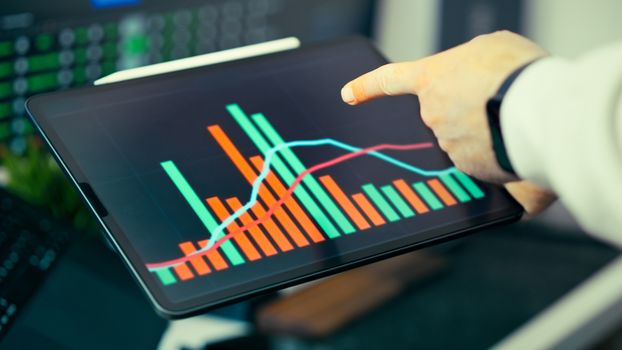
As more industries rely on live data—from financial markets to IoT sensors—visualizing streaming data in real time has become a necessity. In 2024, real-time visualization tools are not just displaying live numbers; they are enabling instant decision-making across industries.
According to IDC, by the end of 2024, over 30% of all business data will be generated in real time, up from just 17% in 2017. Platforms like Apache Kafka, Tableau, and Microsoft Power BI now support real-time data pipelines, allowing users to monitor KPIs, flag anomalies, and respond to issues as they occur.
Cutting-edge features include: - Dynamic chart updates: Visuals refresh in milliseconds as new data arrives. - Automated alerting: Out-of-range values trigger notifications directly in the dashboard. - Predictive overlays: AI algorithms project future trends on top of real-time data, supporting proactive decisions.The impact is tangible—retailers can instantly adjust inventory based on live sales data, logistics companies optimize routes in response to weather, and healthcare providers monitor patient vitals in real time, improving outcomes.
Data Visualization for the Senses: Audio and Haptic Feedback
While most data visualization has traditionally focused on sight, 2024 is seeing a surge in multisensory data experiences—especially audio and haptic (touch-based) feedback. These innovations make data accessible to a broader audience and can increase comprehension in scenarios where visual attention is limited.
Key developments include: - Sonification: Converting data patterns into sound, allowing users to “hear” trends, spikes, or anomalies. For example, NASA’s Chandra X-ray Observatory has released sonified versions of astronomical data, making patterns accessible to the visually impaired. - Haptic feedback: Specialized devices (such as smartwatches or VR controllers) vibrate or pulse to indicate data changes, useful in environments where looking at a screen is impractical.A study by the University of Washington in 2023 found that users interpreting stock market trends through a combination of visual and audio cues improved their accuracy by 28% compared to visual-only displays.
These approaches are especially relevant for accessibility, but they’re also gaining traction in high-stakes environments—like air traffic control or emergency response—where multisensory alerts can improve reaction time and reduce cognitive overload.
Ethics and Transparency in Data Visualization
With the increasing influence of data-driven decision-making, concerns over misrepresentation and bias in visualizations have come to the forefront in 2024. Ethical data visualization is now recognized as a core responsibility for organizations, not just a best practice.
Common ethical pitfalls include: - Cherry-picking data to support a narrative - Misleading axis scales or truncated graphs - Inadequate disclosure of data sources or limitations To address these issues, leading organizations are adopting new standards: - Data provenance: Clearly linking every visualization to its original data source and documenting any transformations. - Transparency overlays: Adding visual cues (such as shaded areas or warning icons) to indicate uncertainty or incomplete data. - Automated bias detection: AI tools that scan for potentially misleading design choices or unbalanced data representation.A 2024 survey by Pew Research found that 63% of users trust data visualizations more when transparency features are present. As data influences everything from business to politics, the demand for ethical and transparent visualizations will only grow.
Comparing Key Data Visualization Trends in 2024
To see how these trends stack up, consider the following comparison table summarizing their core features, benefits, and challenges:
| Trend | Main Features | Key Benefits | Challenges |
|---|---|---|---|
| Story-Driven Visualizations | Sequenced flow, contextual annotations, embedded insights | Improves engagement, aids decision-making | Can be time-consuming to design; risk of oversimplification |
| Personalized/Adaptive Visuals | User-specific content, responsive layouts, AI recommendations | Increases relevance, boosts adoption | Requires user profiling; privacy concerns |
| Real-Time Visualization | Instant updates, alerting, predictive overlays | Enables rapid response, operational agility | Complex data integration; high infrastructure costs |
| Audio/Haptic Feedback | Sonification, touch-based alerts | Enhances accessibility, multisensory engagement | Specialized hardware/software required |
| Ethical/Transparent Visualization | Data provenance, uncertainty indicators, bias detection | Builds trust, supports responsible decisions | May increase complexity; requires cultural change |
Looking Ahead: The Future of Data Visualization in 2024 and Beyond
As data becomes ever more central to business, government, and everyday life, data visualization is evolving from a technical skill into a strategic capability. The trends shaping 2024 reveal a field that is not only responding to technological advances, but also to shifting cultural expectations around accessibility, transparency, and impact.
Story-driven visualizations are making data more relatable and actionable. Adaptive, personalized dashboards are tailoring insights to user needs and devices. Real-time visualizations are transforming how we respond to live information, while multisensory approaches are breaking new ground in accessibility and engagement. Meanwhile, the push for ethical and transparent practices is ensuring that data visualization remains a force for good, not misinformation.
For organizations and individuals alike, staying ahead in data visualization means embracing these trends—not just as tools, but as fundamental shifts in how we understand and communicate information.