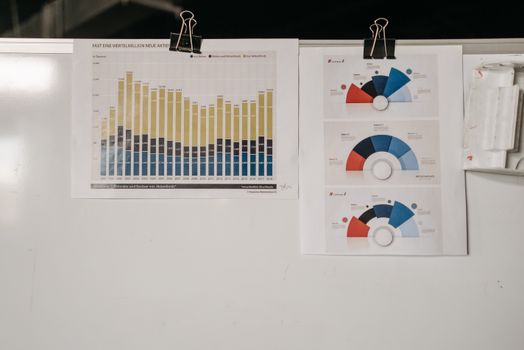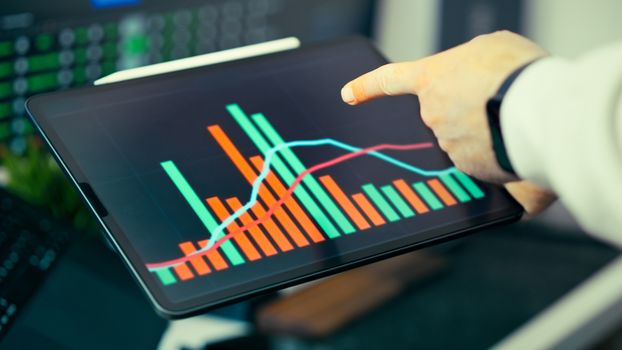
In today’s fast-paced digital world, information is everywhere—but so is misinformation. How the public interprets complex issues and how leaders make political decisions increasingly depends on how data is presented. Data visualizations, from simple charts to interactive dashboards, are shaping not just what we know, but what we believe. Their influence extends far beyond aesthetics, playing a pivotal role in swaying public opinion and guiding political choices. This article explores the profound impact of data visualizations on our collective perspectives and policy landscapes, backed by real-world examples, numbers, and comparisons.
The Power of Visual Data: More Than Just Pretty Pictures
Data visualizations have become essential tools in the dissemination of information. According to a 2021 study published in the journal Nature Communications, people are 42% more likely to remember information presented visually compared to text alone. This is not just about recall—it’s about persuasion. When the COVID-19 pandemic hit, dashboards showing infection rates and vaccine progress were not merely informative; they were instrumental in shaping public behavior and government response.
Visualizations harness our brain’s natural preference for imagery. The human brain processes images 60,000 times faster than text, according to research from 3M Corporation. This rapid processing means that visualizations can quickly set the narrative, often before viewers have a chance to question the data’s validity. In political campaigns, for example, a single compelling chart can overshadow hours of debate or pages of written analysis.
.png)
Data Visualizations and Public Opinion: Steering the Conversation
The way data is visualized can dramatically alter public perception. Consider these real-world examples:
- The 2016 U.S. Presidential Election: Maps showing county-by-county results painted a vast red landscape, suggesting overwhelming support for one candidate. However, population-adjusted maps told a more nuanced story, revealing the weight of urban votes. - Climate Change Discourse: Line graphs showing rising global temperatures over centuries have been central to the climate change conversation. According to Pew Research, over 65% of Americans who have seen climate-related visualizations believe in the urgency of the issue, compared to just 48% who have not.Visualizations can highlight or obscure trends. The choice of scale, color, and even chart type can lead viewers to different conclusions. For instance, a bar chart may exaggerate differences between groups, while a line chart on a compressed scale may minimize important fluctuations. This subtle steering is sometimes unintentional, but it can also be used strategically in political messaging.
When Visuals Become Political Tools: Manipulating Perception
It’s no secret that data can be manipulated, but visualizations add another layer of subtlety. Politically motivated actors—whether governments, campaigns, or advocacy groups—often use visualizations to reinforce their narratives. A classic example is the infamous “Flatten the Curve” graph during the early days of COVID-19. This simple two-curve illustration powerfully communicated the need for lockdown measures, influencing policy decisions worldwide.
But the same power can be misused. A 2018 study by Stanford University found that 37% of infographics in online news contained misleading elements, such as truncated axes or selective data ranges. These techniques can exaggerate successes or conceal failures, directly impacting how the public evaluates political leaders and their decisions.
Here is a comparison of common visualization techniques and their potential effects:
| Technique | Intended Purpose | Potential for Misuse | Public Impact |
|---|---|---|---|
| Truncated Y-Axis | Highlight small changes | Exaggerate differences | Can mislead viewers about magnitude |
| Population-Adjusted Maps | Show accurate representation | May downplay geographic spread | Shifts focus to urban/rural dynamics |
| Color Coding | Emphasize trends | Cherry-pick colors for emotional effect | Can evoke strong reactions |
| Selective Time Frames | Focus on relevant periods | Hide long-term trends or anomalies | Skews perception of stability/change |
The subtlety of these manipulations makes it difficult for the average viewer to distinguish between objective data and persuasive storytelling.
The Role of Data Visualization in Policy and Decision-Making
Data visualizations are not just tools for the public—they are central to the way policymakers interpret information. In a 2022 survey by the OECD, 71% of policymakers reported that well-designed visualizations improved their understanding of complex issues and accelerated decision-making. For example, during natural disasters, real-time heat maps of affected areas enable governments to allocate resources more efficiently.
However, the reliance on visualizations also introduces biases. Decision-makers, like the public, are susceptible to the framing effects of data presentation. If a chart downplays the risks of a policy, leaders may be more inclined to take bold actions. Conversely, alarming graphs can prompt overly cautious responses. The 2008 financial crisis offers a stark reminder: misleading visualizations of mortgage-backed securities’ risk profiles contributed to regulators underestimating the scale of the impending collapse.
Transparency and accuracy in visualizations are thus not just ethical imperatives but practical necessities for sound governance.
Case Studies: Data Visualization Changing the Course of Politics
Several high-profile cases illustrate how data visualizations have shifted political trajectories:
1. Brexit Referendum (2016): Pro-Leave campaigns circulated infographics showing UK financial contributions to the EU, often using oversized images and selective data. A YouGov poll found that 20% of voters recalled these visuals as a key influence on their decision. 2. Flint Water Crisis (2014-2016): Maps and charts revealing lead contamination levels were pivotal in raising national awareness and prompting federal intervention. An EPA report in 2016 cited data visualization as a turning point in escalating the crisis to the highest levels of government. 3. COVID-19 Vaccine Rollout: Dashboards tracking vaccine distribution by region helped identify disparities and direct resources to underserved communities, leading to a 12% increase in vaccine coverage in targeted areas within three months, according to the CDC.These examples underscore that data visualizations are not neutral—they are active participants in the democratic process.
Ethical Considerations: Striving for Integrity in Visual Storytelling
As data visualizations gain influence, so does the responsibility of those who create and share them. Ethical visualization practices are crucial for safeguarding public trust and ensuring informed decision-making. Some key principles include:
- Transparency: Clearly labeling sources, methodologies, and any data exclusions. - Accuracy: Avoiding misleading scales, cherry-picked data, or visually deceptive techniques. - Accessibility: Designing visuals that can be understood by non-experts, including those with color vision deficiencies.In response to growing concerns, organizations like the Data Visualization Society and the Pew Research Center have published ethical guidelines. In 2023, a survey by the Knight Foundation found that 61% of Americans were more likely to trust a news source that disclosed visualization methods and data sources.
As visualization tools become more sophisticated and widely available, the challenge is not just technical but ethical—balancing the persuasive power of visuals with the need for honest communication.
Final Thoughts: Navigating a Visual Information Age
Data visualizations have transformed the landscape of public discourse and political decision-making. Their ability to clarify, persuade, and even manipulate makes them double-edged swords. While they offer unprecedented opportunities for insight and engagement, they also demand vigilance—from creators, distributors, and consumers alike.
As we move deeper into an era defined by data, understanding the mechanics and implications of visual storytelling becomes essential. Whether we are voters, policymakers, or everyday citizens, our ability to interpret and question what we see will shape the future of our societies.