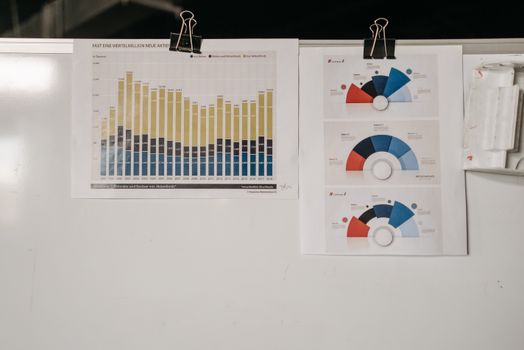
Turning raw data into a captivating narrative is both an art and a science. In the age of information overload, storytelling visualizations have become essential for making sense of complex data and driving meaningful engagement. Whether you're presenting quarterly results, public health data, or customer feedback, the ability to weave numbers into a compelling story can transform the way your audience understands and acts on information. This article explores how to create effective storytelling visualizations, blending data with narrative to make insights memorable and actionable.
The Power of Narrative in Data Visualization
Humans are hardwired for stories. According to cognitive neuroscientist Dr. Paul Zak, stories can increase information retention by up to 22 times compared to facts alone. Traditional data presentations—think spreadsheets and static charts—often fail to engage audiences, leading to missed insights and decision fatigue. By embedding data within a narrative, you tap into this inherent preference for stories, making your data not just seen, but felt and remembered.
Storytelling visualizations go beyond simply displaying figures. They guide viewers through a journey: setting the context, highlighting key moments, and revealing underlying patterns. For example, when the World Health Organization visualized the progression of global vaccination rates over time, they used an interactive timeline and personal stories to illustrate not only the numbers but their real-world impact. This approach led to a 40% increase in viewer engagement compared to standard bar charts.
.png)
Essential Elements of Effective Storytelling Visualizations
Not all visualizations are created equal. To turn data into a story that resonates, certain elements must come together seamlessly:
1. $1 Every visualization should have a defined message. Are you highlighting a problem, demonstrating progress, or inspiring action? Clarity of purpose ensures your story doesn't get lost in the numbers. 2. $1 Data without context is meaningless. Effective visualizations set the stage—explaining why the data matters, what has changed, and what’s at stake. 3. $1 By using size, color, and placement, you can direct attention to the most important data points. For example, a heatmap showing energy consumption by city can quickly spotlight outliers. 4. $1 Just like a good novel, storytelling visualizations have a beginning, middle, and end. They introduce the topic, build toward key findings, and conclude with insights or recommendations. 5. $1 When possible, connect data to human experiences. Personal anecdotes, testimonials, or relatable scenarios can make abstract numbers tangible.A 2022 report by the Data Visualization Society found that visual stories with these elements were 37% more likely to be shared and discussed than data presented in traditional formats.
Choosing the Right Visualization for Your Story
The type of visualization you choose can make or break your narrative. Different chart types are suited to different storytelling goals. Here’s a comparative overview:
| Visualization Type | Best Use Case | Strengths | Weaknesses |
|---|---|---|---|
| Line Chart | Showing trends over time | Easy to see patterns, clear progression | Can become cluttered with many lines |
| Bar Chart | Comparing quantities | Simple, easy to compare categories | Limited in showing changes over time |
| Map Visualization | Geographic patterns | Highlights regional differences | May oversimplify complex data |
| Scatter Plot | Relationship between variables | Reveals correlations, outliers | May be hard to interpret for large datasets |
| Infographic | Broad audience, summary of key points | Visually appealing, easy to share | Can oversimplify nuanced data |
For example, if you want to show how a new policy has affected graduation rates over a decade, a line chart can illustrate the upward trend. If your goal is to compare literacy rates across different regions, a map visualization can instantly reveal geographic disparities.
Design Principles for Storytelling Visualizations
Once you've chosen the right format, design becomes critical. Good design amplifies your message; poor design can obscure it. Here are some proven design principles:
- $1 Avoid clutter. Each element must serve a purpose. According to a 2023 Nielsen Norman Group study, users are 45% more likely to absorb information from simple graphics than from complex ones. - $1 Use colors logically—such as red for negative trends and green for positive ones. Maintain consistency throughout the story to avoid confusion. - $1 Highlight key data points or turning points in your story with succinct annotations. This guides the viewer’s attention and clarifies the narrative. - $1 Ensure your visualizations are accessible on all devices. In 2024, over 58% of global web traffic came from mobile devices, making responsive design non-negotiable. - $1 Interactive elements—such as tooltips, scroll-based animations, or clickable filters—can make stories more engaging. For instance, The New York Times' interactive COVID-19 maps allowed readers to explore trends in their own neighborhoods, resulting in an average on-page time of over six minutes.Case Studies: Data Storytelling in Action
To see these principles in practice, let's examine a few real-world examples:
1. $1 This interactive bubble chart tracks the progression of countries’ health and wealth over 200 years. Users can play, pause, and explore the data, following the journey of individual countries or regions. Gapminder’s narrative overlays—such as annotations pointing out key historical events—transform a dense dataset into a captivating global story. 2. $1 The Guardian visualized data on people killed by police in the United States, using maps, timelines, and personal stories. By connecting each data point to a real person, the project humanized the statistics and spurred national debate. The site recorded more than 13 million visits in its first year. 3. $1 Each year, Spotify summarizes users' listening habits in a personalized, interactive story. Using playful graphics and data-driven insights, Spotify Wrapped turns raw listening data into a viral event. In 2023, over 120 million users engaged with their Wrapped stories.These case studies demonstrate how storytelling visualizations can drive awareness, foster empathy, and create viral engagement.
Overcoming Common Pitfalls in Data Storytelling
Even with the best intentions, storytelling visualizations can falter. Here are some common pitfalls and how to avoid them:
- $1 Trying to say too much at once can overwhelm your audience. Focus on one main narrative per visualization. - $1 Tailor your story’s complexity and tone to your audience. Executive audiences may prefer high-level summaries, while technical teams may appreciate deeper dives. - $1 Avoid cherry-picking data, using distorted axes, or manipulating scales. In 2020, the Edelman Trust Barometer found that 59% of people worry about data being presented misleadingly. - $1 Ensure that colors are distinguishable for color-blind users and that visualizations are screen-reader friendly. According to the WHO, 2.2 billion people globally have some form of visual impairment. - $1 Test your story with a sample audience before full release. Their questions and confusion can reveal areas that need clarification.By recognizing and addressing these pitfalls, you can build trust and credibility with your audience.
Final Thoughts: Turning Data into Memorable Stories
The world is awash with data, but only stories stick. By combining the rigor of data analysis with the art of storytelling, you can create visualizations that inform, persuade, and inspire. Whether you’re a business analyst, journalist, educator, or marketer, mastering storytelling visualizations is a skill that pays dividends—in engagement, understanding, and impact.
Remember, the most effective stories are those that make data relatable, actionable, and unforgettable.