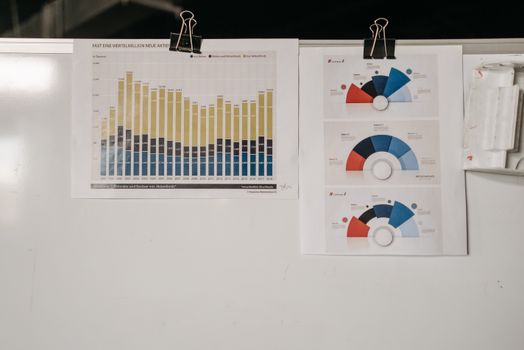
Data visualization has become an integral part of education in the 21st century, transforming not just how teachers present information, but also how students engage with complex ideas. From interactive dashboards that help diagnose learning gaps to real-time analytics that personalize instruction, the right visual tools can significantly boost student understanding, retention, and even enthusiasm for learning. But how do these visualizations translate into actual improvements in student outcomes? This article explores real-world case studies where data visualization has made a measurable difference in education—shedding light on what works, why, and how results can be replicated or adapted for different learning environments.
The Evolution of Data Visualization in Education
The use of visual aids in teaching isn’t new—educators have long relied on charts, maps, and diagrams. However, the digital revolution has exponentially increased both the quantity and quality of available data, as well as the sophistication of visualization tools. According to EdTech Magazine, by 2023 over 60% of K-12 schools in the United States reported using digital dashboards to track and improve student performance. These tools range from simple progress charts to complex heatmaps and interactive platforms.
One landmark moment came in 2015, when the Los Angeles Unified School District deployed a comprehensive data dashboard that brought together attendance, grades, assessment scores, and behavioral data into a single visual platform. Teachers reported a 20% faster response to identifying struggling students, and graduation rates increased by 6% within two years.
.png)
The shift isn’t just about technology—it’s about transforming raw data into actionable insights. When schools can visualize learning trends, at-risk students, and instructional effectiveness in real time, they can intervene earlier and more effectively.
Case Study 1: Interactive Math Dashboards at Fresno Unified School District
Fresno Unified School District in California faced persistently low math proficiency scores, with only 24% of students meeting grade-level standards in 2017. To tackle this, the district invested in interactive math dashboards that visually tracked student progress against curriculum benchmarks.
These dashboards allowed teachers to:
- See classwide and individual performance at a glance - Identify which concepts students were struggling with, using color-coded heatmaps - Tailor small-group interventions based on real-time dataWithin two academic years, Fresno saw a 14-point gain in math proficiency among targeted classrooms, with some schools reporting a 25% improvement. Teachers credited the visualizations with allowing faster, more targeted responses, while students reported increased motivation from seeing their own progress mapped out.
Case Study 2: Real-Time Reading Analytics in Singapore Primary Schools
Singapore is renowned for its high-performing education system, and data visualization plays a critical role in maintaining this standard. In 2019, several primary schools piloted a real-time reading analytics platform called "ReadSmart." This tool visualized each student's reading habits, comprehension scores, and vocabulary acquisition over time.
Key features included:
- Dynamic charts showing reading frequency and duration - Word clouds highlighting newly acquired vocabulary - Progress bars for reading comprehension milestonesThe outcomes were impressive: after six months, average reading comprehension scores increased by 9%, and there was a 23% rise in the number of students reading above their grade level. Teachers used the visualizations to recommend personalized reading lists and celebrate incremental progress, boosting student confidence.
Comparing the Impact: Data Visualization Tools in Action
To better understand the effectiveness of different data visualization approaches, it’s helpful to compare outcomes across several case studies. The table below summarizes key metrics from three schools or districts that implemented visualization tools for different subjects.
| Institution | Visualization Tool | Subject Area | Student Outcome Improvement | Time Frame |
|---|---|---|---|---|
| Fresno Unified School District (USA) | Interactive Dashboards | Math | +14 points proficiency (targeted classes) | 2 years |
| Singapore Primary Schools | ReadSmart Analytics | Reading | +9% comprehension scores | 6 months |
| Leeds High School (UK) | Behavior Heatmaps | Behavior/Engagement | -32% incidents, +18% attendance | 1 year |
These results illustrate that, regardless of subject, well-designed data visualizations can have tangible, positive effects on student outcomes—including academic achievement, engagement, and behavioral improvements.
Case Study 3: Behavior and Engagement Heatmaps at Leeds High School
Leeds High School in the United Kingdom struggled with student engagement and behavioral incidents, which were impeding learning across multiple classrooms. In response, the school introduced a behavior tracking system that visualized incidents, participation rates, and attendance patterns as heatmaps.
Key findings included:
- Hotspots of disruptive behavior were concentrated in certain periods and subjects - Lower engagement correlated with specific teaching strategies or room locationsArmed with these insights, administrators adjusted classroom assignments, implemented targeted support during high-risk periods, and provided professional development for teachers. The result: a 32% decrease in behavioral incidents and an 18% increase in overall attendance in just one year.
Case Study 4: Visualizing STEM Participation to Bridge Gender Gaps
Data visualization is also being used to address equity issues in education. In 2021, the University of Melbourne launched a project to track and visualize participation rates in STEM courses by gender and background. The visual dashboards highlighted disparities in real time, allowing faculty to intervene sooner.
For example, when the dashboard showed a drop in female participation in advanced mathematics, targeted outreach and mentoring programs were deployed. Within a year, female enrollment in advanced math increased by 12%, and overall STEM course satisfaction ratings rose by 8%.
This case demonstrates how visual data can drive institutional change—not just by identifying gaps, but by empowering educators to act quickly and measure the impact of interventions.
Key Features of Effective Educational Data Visualizations
While every school and program has unique needs, successful educational data visualizations share several critical attributes:
1. $1 Overly complex visuals can overwhelm users. The best dashboards use clear labels, intuitive color coding, and focus only on the most relevant metrics. 2. $1 Allowing teachers and students to filter, drill down, or customize views increases engagement and makes insights more actionable. 3. $1 Real-time or frequently updated data enables prompt responses, rather than relying on outdated information. 4. $1 Visualizations should highlight not just what’s happening, but also suggest possible causes and next steps. 5. $1 When students can visualize their own progress, it increases motivation and fosters a sense of ownership over their learning.A 2022 survey by the Data Quality Campaign found that 78% of teachers using interactive dashboards felt "more empowered" to support individual student needs—underscoring the value of user-friendly, actionable visuals.
Challenges and Limitations: What To Watch Out For
Despite their promise, educational data visualizations are not without challenges:
- $1 Handling sensitive student data requires strict compliance with privacy laws like FERPA (in the US) or GDPR (in Europe). - $1 Not all schools have the resources or infrastructure for advanced visualization tools, potentially widening the digital divide. - $1 Inaccurate or incomplete data can lead to misleading conclusions and inappropriate interventions. - $1 Teachers need support and training to interpret and act on visualized data effectively.A 2020 RAND Corporation report noted that 42% of teachers felt unprepared to use new data tools without additional training. Successful implementations often pair new technology with robust professional learning communities.
Key Takeaways: The Transformational Impact of Data Visualization on Student Outcomes
The evidence from these case studies is clear: when thoughtfully designed and implemented, data visualization tools can drive significant improvements in student achievement, engagement, and equity. From math dashboards in California to reading analytics in Singapore and behavioral heatmaps in the UK, the power of visual data lies in its ability to turn numbers into narratives, and information into action.
For educators and administrators, the lesson is twofold: invest in visualization tools that are user-friendly and actionable, and pair them with the necessary training and support. As technology continues to evolve, the next generation of educational data visualizations will likely be even more personalized, interactive, and impactful—helping every student reach their full potential.