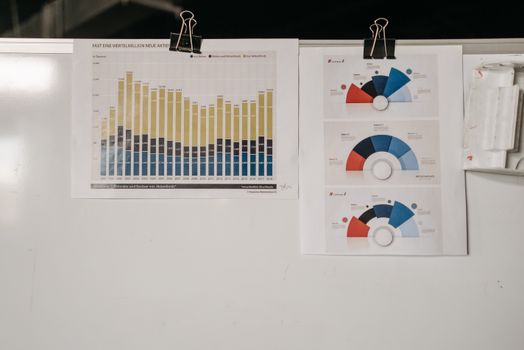
Data visualization has become an indispensable tool in marketing and business, turning complex numbers and trends into clear, compelling stories. But what truly sets apart outstanding visualizations is their ability to drive real-world results—whether it's boosting sales, transforming brand perception, or guiding multi-million dollar decisions. In this article, we’ll dive into case studies from leading companies that showcase how smart data visualization strategies have powered business growth, innovation, and marketing breakthroughs. We’ll look at the methods, tools, and creative thinking behind these successes, and compare their impact with a detailed data overview. If you’re curious about how data visualization can deliver tangible benefits, these real-world stories will inspire you.
How Starbucks Used Data Visualization to Personalize Customer Experience
Starbucks is renowned not just for its coffee but for its innovative use of data. In 2018, Starbucks launched its “Deep Brew” AI and analytics platform, integrating data visualization to optimize nearly every touchpoint of the customer journey.
Through their mobile app, Starbucks collects more than 90 million transactions per week. By visualizing purchase patterns, time-of-day preferences, and geolocation data, Starbucks was able to create highly personalized promotions and product recommendations. Their dashboards allowed marketing teams to spot trends in real time—for example, identifying rising demand for cold beverages in specific regions or predicting the best times to push snack promotions.
.png)
The results speak for themselves: Starbucks’s personalized marketing campaigns, fueled by live data visualizations, contributed to a 15% increase in customer retention and an estimated $1.2 billion in incremental revenue from digital initiatives in 2019 alone. This case shows the power of turning raw data into actionable insights, delivered right to decision-makers and even customers themselves.
Visual Storytelling: Spotify’s ‘Wrapped’ Campaign
Spotify’s annual “Wrapped” campaign has become a cultural phenomenon, thanks to its creative use of data visualization. Each December, Spotify presents users with a visually engaging summary of their listening habits, using bold graphics, interactive charts, and playful animations.
The company’s data science and design teams collaborated to transform billions of data points—across 456 million global users as of 2022—into concise, shareable stories. Users receive personalized infographics showing their top artists, genres, and listening milestones, which they can instantly share on social media.
The impact is staggering. In 2022, “Spotify Wrapped” was mentioned in over 60 million social media posts within the first week of launch, and app downloads spiked by 21% in December. The campaign not only boosts user engagement but also serves as organic marketing, with users effectively promoting Spotify to their networks through visually compelling data stories.
Driving Product Innovation: Airbnb’s Interactive Data Dashboards
Airbnb’s rapid global expansion required agile, data-driven decision-making. To facilitate this, Airbnb’s data team developed a suite of interactive dashboards for internal use. These dashboards visualize key performance indicators (KPIs) such as booking rates, host activity, seasonal price trends, and guest satisfaction scores across 220+ countries.
One notable example is Airbnb’s Market Dashboard, which allows regional managers to compare local performance and competitor pricing at a glance. By visualizing occupancy rates and booking trends in real time, managers could swiftly identify underperforming markets and adjust strategies—such as launching targeted promotions, adjusting prices, or recommending new amenities.
From 2016 to 2019, Airbnb reported a 35% increase in booking conversion rates in markets where teams actively used these dashboards versus those that did not. This data-driven approach also helped Airbnb identify emerging destinations and optimize inventory, contributing directly to their growth from 2 million to over 7 million listings worldwide.
Comparing Data Visualization Success: Key Metrics Across Case Studies
Let’s compare the impact of data visualization across major business case studies with a concise table of key results.
| Company | Data Visualization Application | Key Metric Improved | Quantifiable Result |
|---|---|---|---|
| Starbucks | Personalized promotions via customer dashboards | Customer retention | 15% increase in retention, $1.2B added revenue (2019) |
| Spotify | Visual storytelling in “Wrapped” campaign | User engagement & app downloads | 21% download increase, 60M+ social posts (2022) |
| Airbnb | Interactive internal dashboards for market analysis | Booking conversion rates | 35% higher conversion in dashboard-using markets |
| Sales Navigator data visualization tools | Sales pipeline efficiency | Users report up to 10% shorter sales cycles |
This comparison highlights how different types of data visualization strategies can drive major improvements in marketing, product development, and sales—each tailored to unique business goals.
Data Visualization for Crisis Response: Johns Hopkins COVID-19 Dashboard
While many case studies focus on commercial success, data visualization has also played a critical role in crisis management. One of the most influential examples is the Johns Hopkins University COVID-19 Dashboard, launched in January 2020.
Within weeks, the dashboard became the world’s primary source for real-time pandemic data, visualizing infection rates, recoveries, and fatalities across every country. The platform handled more than 1.2 billion requests per day at its peak, supporting government agencies, media outlets, and the public in making informed decisions.
The dashboard’s success stemmed from its clear, interactive maps and time-series charts, which enabled users to track the virus’s spread, compare nations, and anticipate hotspots. Researchers estimate that over 100 million unique users consulted the dashboard during the first six months of the pandemic, and its visualizations were cited in thousands of news reports, policy briefs, and academic papers.
This case demonstrates the immense value of accessible, real-time data visualization in guiding decisions during global emergencies—not just for business, but for society at large.
Transforming B2B Marketing: LinkedIn Sales Navigator’s Visual Pipelines
LinkedIn’s Sales Navigator tool has revolutionized B2B sales and marketing by introducing dynamic data visualizations into the sales process. Traditionally, sales teams relied on static spreadsheets to track leads and opportunities. Sales Navigator introduced interactive, visual sales pipelines and relationship maps, enabling users to see connections, deal stages, and account histories at a glance.
A 2021 LinkedIn study found that companies using the Sales Navigator’s visualization features reduced their average sales cycle by 10% and improved lead conversion rates by up to 17%. These visual tools helped teams prioritize high-potential leads, identify warm introductions, and collaborate more effectively.
For businesses, this translates into faster deal closures, increased revenue, and better alignment between sales and marketing teams. By making complex relationship data easily digestible and actionable, LinkedIn has set a new standard for visualization in enterprise software.
Lessons Learned: What Makes Data Visualization Successful in Business?
Across these diverse case studies, several themes emerge about what drives success in business data visualization:
1. Actionable Insights: The most effective visualizations don’t just present data—they guide decisions. Starbucks’s dashboards enabled real-time marketing tweaks, while Airbnb’s tools allowed instant performance comparisons. 2. Personalization: Tailoring visualizations to individual users or teams, as seen with Spotify Wrapped or LinkedIn’s relationship maps, boosts engagement and relevance. 3. Shareability: Visualizations designed for easy sharing, like Spotify’s infographics, amplify marketing reach organically. 4. Real-Time Access: Up-to-the-minute data, as in the Johns Hopkins dashboard, is crucial for both business agility and crisis response. 5. Clarity and Simplicity: Designs that avoid clutter and focus on key metrics—like Airbnb’s market dashboards—ensure that users aren’t overwhelmed and can act quickly. 6. Integration with Workflow: The best visualizations are embedded in daily business tools, not siloed away. LinkedIn and Starbucks both integrated visualization directly into their core platforms.According to a 2023 Gartner survey, 74% of business leaders say that data visualization has increased their decision-making speed, and 61% report better collaboration as a result.
Final Reflections: The Future of Data Visualization in Marketing and Business
The case studies above illustrate a simple truth: when businesses move beyond static charts and embrace interactive, personalized, and real-time data visualization, they unlock powerful competitive advantages. From Starbucks’s tailored promotions to LinkedIn’s dynamic sales maps, the ability to see and understand patterns in data is transforming how organizations operate, innovate, and connect with customers.
As tools become smarter and more accessible, expect to see even more creative and high-impact uses of data visualization in the years ahead. Whether you’re a marketer, executive, or entrepreneur, studying these success stories offers valuable lessons—and a roadmap for harnessing the full potential of your own data.