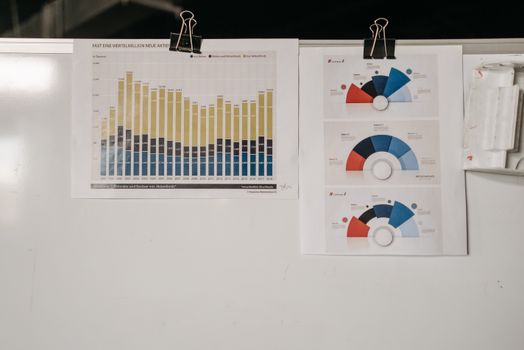
Business Analytics Visuals: A Tool for Better Decision Making
In an era where data is the new oil, organizations are flooded with information from every direction. Yet, having data isn’t enough. The true challenge lies in transforming this raw information into actionable insights that drive meaningful business decisions. This is where business analytics visuals come into play. These powerful tools convert complex datasets into easily understandable graphics, empowering decision-makers at every level to spot trends, identify opportunities, and avoid costly mistakes. In this article, we’ll explore how visual analytics is revolutionizing business intelligence, examine real-world examples, and compare popular visualization tools to help you harness the full potential of your data.
Why Visuals Matter in Business Analytics
The human brain processes visual information 60,000 times faster than text, according to 3M Corporation. With the average attention span shrinking to just 8.25 seconds in 2023 (down from 12 seconds in 2000), businesses can’t afford to let key insights get lost in endless spreadsheets. Visual analytics bridge this gap by transforming numbers into patterns, trends, and stories that are instantly recognizable.
Research by the Aberdeen Group found that organizations using visual data discovery tools are 28% more likely to find timely information than those relying solely on traditional reporting methods. This speed translates directly into competitive advantage: rapid identification of sales trends, operational bottlenecks, or customer preferences can mean the difference between leading the market and playing catch-up.
.png)
Moreover, visuals democratize analytics. With intuitive dashboards and interactive charts, team members without a data science background can participate in data-driven conversations, breaking down silos and fostering a culture of informed decision-making.
Types of Business Analytics Visuals and Their Uses
Business analytics visuals come in many forms, each serving a specific purpose. Here are some of the most common types and scenarios where they excel:
- Bar and Column Charts: Ideal for comparing quantities across categories, such as monthly sales by region. - Line Graphs: Perfect for tracking changes over time, such as revenue growth across quarters. - Scatter Plots: Useful for identifying correlations, like the relationship between marketing spend and sales. - Heat Maps: Great for visualizing density or intensity, such as web traffic across different site sections. - Geographic Maps: Essential for regional analysis, such as customer distributions or supply chain logistics. - Pie and Donut Charts: Best for illustrating parts of a whole, such as market share breakdowns. - Waterfall Charts: Reveals how an initial value is impacted by a series of positive or negative values, such as cash flow analysis.Let’s consider a real-world example: A retail chain uses a geographic heat map to visualize store performance. By overlaying sales data onto a regional map, management quickly spots underperforming locations and investigates local factors, such as competitor openings or demographic changes. This targeted approach leads to a 15% increase in sales efficiency within six months.
Business Analytics Visuals in Action: Case Studies
1. Healthcare: A hospital network implemented interactive dashboards to track patient admissions, treatment outcomes, and resource utilization. By visualizing bottlenecks in patient flow, they reduced emergency room wait times by 25% and improved patient satisfaction scores. 2. Manufacturing: A global electronics manufacturer used real-time line charts and heat maps to monitor production line efficiency. Early detection of anomalies—such as sudden drops in output or spikes in defect rates—enabled rapid intervention, reducing downtime by 18% annually. 3. Retail: An e-commerce company deployed cohort analysis visuals to examine customer retention over time. By segmenting customers based on their first purchase date, they identified which marketing campaigns delivered the best long-term value, increasing repeat purchases by 22%.These examples highlight how visuals empower teams to move from reactive to proactive decision-making, turning data into a strategic asset.
Choosing the Right Visualization Tool: A Comparison
With dozens of business analytics platforms on the market, selecting the right tool is critical. Factors to consider include ease of use, integration capabilities, real-time data support, and cost. Here’s a comparison of three leading business analytics visualization platforms:
| Feature | Tableau | Microsoft Power BI | Qlik Sense |
|---|---|---|---|
| Ease of Use | User-friendly, drag-and-drop interface | Intuitive, integrates with Microsoft ecosystem | Associative model for easy exploration |
| Data Integration | Connects to 75+ data sources | Deep integration with Excel, SQL, Azure, more | Strong data blending and mashup capabilities |
| Real-Time Analytics | Supports real-time dashboards | Real-time streaming with Power BI Pro | Robust real-time analytics |
| Pricing | Starts at $70/user/month | Starts at $10/user/month | Starts at $30/user/month |
| Unique Strength | Advanced visualization options | Affordable, tight Microsoft integration | Powerful self-service analytics |
According to Gartner’s 2023 Magic Quadrant, Tableau and Power BI are both leaders in analytics platforms, with Qlik Sense praised for its associative data model. Choosing between them depends on your organization’s specific needs, existing tech stack, and budget.
How Visual Analytics Drives Better Decision Making
Business analytics visuals are more than just pretty charts—they are engines of insight. Here’s how they directly enhance decision quality:
1. Pattern Recognition: Visuals help users quickly detect trends, outliers, and anomalies that might go unnoticed in raw data. For instance, a line chart may reveal a seasonal dip in sales, prompting a timely marketing campaign. 2. Root Cause Analysis: Interactive visuals allow users to drill down into data layers. A spike in customer complaints? Drill into product categories, regions, or time periods to pinpoint the issue. 3. Scenario Planning: Dashboards can model “what-if” scenarios, showing the projected impact of business decisions—such as pricing changes or supply chain adjustments—before they’re implemented. 4. Performance Tracking: KPIs (Key Performance Indicators) are best managed visually. Real-time dashboards keep teams aligned, providing instant feedback on progress toward goals.A 2022 Forrester report found that companies leveraging advanced analytics visualization tools experience a 19% faster decision-making process and a 17% reduction in decision errors.
Overcoming Common Challenges with Business Analytics Visuals
Despite their benefits, implementing business analytics visuals comes with challenges. Here’s how organizations can overcome the most common hurdles:
- Data Quality: Visuals are only as good as the data behind them. Invest in data cleansing and governance to ensure accuracy and consistency. - Overcomplication: Too many visuals or overly complex dashboards can overwhelm users. Focus on clarity—limit each visualization to a single, clear message. - Change Management: Shifting to a data-driven culture requires training and buy-in at all levels. Offer workshops and celebrate quick wins to build momentum. - Security and Privacy: Ensure sensitive information is properly protected, especially when sharing dashboards across teams or with external partners.By addressing these issues proactively, organizations can maximize the value of their analytics investments.
The Future of Business Analytics Visuals
The landscape of business analytics visuals is rapidly evolving. Emerging technologies like artificial intelligence (AI) and machine learning (ML) are making visuals smarter and more predictive. For example, AI-powered platforms can automatically surface insights—such as unusual spending patterns or emerging customer segments—without manual intervention.
Augmented analytics, a market projected to reach $18.4 billion by 2026 (according to MarketsandMarkets), is integrating natural language processing, enabling users to interact with data using voice or text queries. Imagine asking your analytics dashboard, “Show me why Q2 sales dropped in the Northeast,” and receiving an instant visual explanation.
Mobile analytics is another growing trend. With 55% of global website traffic coming from mobile devices in 2023, business leaders expect to access insights on the go, making mobile-friendly dashboards a must-have.
Conclusion
Business analytics visuals are transforming the way organizations make decisions. By converting complex data into intuitive graphics, these tools empower everyone—from frontline employees to C-suite executives—to act swiftly and confidently. Whether you’re choosing a visualization platform, creating impactful dashboards, or preparing your team for data-driven success, the right visual strategy will help you unlock hidden opportunities and avoid costly missteps. As technology continues to advance, embracing best practices in visual analytics isn’t just an option—it’s a necessity for future-ready businesses.