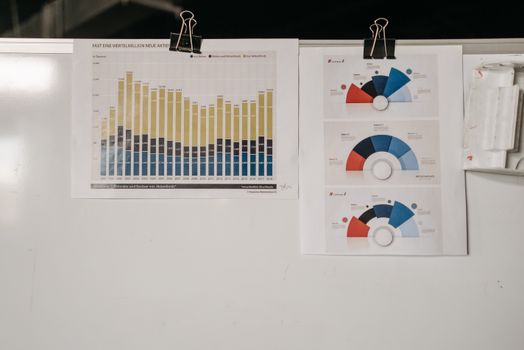
In today’s data-driven world, businesses are flooded with information from countless sources—sales platforms, customer relationship management systems, marketing analytics, and more. With so much data at hand, the challenge isn’t just collecting it, but translating it into actionable insights. This is where data dashboards come in. When designed thoughtfully, dashboards transform raw data into clear, interactive visuals that empower business leaders to make confident, strategic decisions. However, creating effective data dashboards is both an art and a science. This guide will walk you through the essentials of building dashboards that not only look impressive but truly drive business performance.
The Business Value of Data Dashboards
Data dashboards are more than just digital displays—they are strategic tools that can dramatically change how a business operates. According to a 2023 survey by Dresner Advisory Services, 65% of organizations consider dashboards “critical” or “very important” to their business intelligence initiatives. The reasons are clear:
- $1 Dashboards can pull data from multiple sources and update in real time, giving managers current insights for faster, more accurate decisions. - $1 Teams can easily share dashboards, ensuring everyone is working from a single source of truth. - $1 Dashboards make it easy to monitor key performance indicators (KPIs) across departments, such as sales growth, customer churn, or supply chain efficiency.A great example comes from a global retail chain that implemented sales dashboards across its 200+ stores. By tracking daily sales, inventory levels, and customer feedback, the company reduced overstock by 15% and increased same-store sales by 7% within a year.
.png)
Core Principles for Designing Effective Dashboards
Not all dashboards are created equal. A cluttered, confusing dashboard can do more harm than good—causing misinterpretation and decision paralysis. Here are essential principles to ensure your dashboards are effective:
1. $1 Start with a clear understanding of what business question your dashboard should answer. Is it for tracking sales trends, monitoring customer service, or analyzing marketing performance? Each purpose demands a different approach. 2. $1 According to the Nielsen Norman Group, users comprehend simple dashboards 37% faster than complex ones. Prioritize the most important metrics and avoid unnecessary graphics or excessive colors. 3. $1 Consistency helps users quickly locate information. Place the most critical data in the top-left corner (where the eyes naturally start) and group related items together. 4. $1 Choose the right visualizations for the data. Use line charts for trends, bar charts for comparisons, and gauges for progress toward a goal.A real-world tip: Many leading companies conduct user testing before rolling out dashboards company-wide. This helps ensure the visuals make sense to non-technical users as well as data analysts.
Types of Dashboards for Different Business Needs
Not all dashboards serve the same audience or purpose. Understanding the main types will help you choose the best format for your needs:
| Type | Main Audience | Primary Purpose | Example Metrics |
|---|---|---|---|
| Operational Dashboards | Front-Line Managers, Staff | Monitor daily activities and processes | Order volumes, system uptime, support tickets |
| Analytical Dashboards | Data Analysts, Strategists | Identify trends, patterns, and insights | Sales trends, customer segmentation, churn rates |
| Strategic Dashboards | Executives, Senior Leaders | Track company-wide KPIs and long-term goals | Revenue growth, market share, profit margins |
For example, a logistics company may use operational dashboards to monitor delivery statuses every hour, while the executive team reviews a strategic dashboard monthly to assess overall business growth.
Best Practices for Visual Clarity and Impact
Creating a dashboard that is both visually appealing and easy to understand is crucial. Here are proven best practices:
- $1 The human brain can comfortably process 4 to 7 pieces of information at once, according to cognitive psychology studies. Avoid overloading your dashboard with too many charts or widgets. - $1 Reserve colors for highlighting important changes. For instance, use red to signal issues, green for goals achieved, and neutral tones for background elements. - $1 Allow plenty of space around charts and numbers. This reduces cognitive load and draws attention to what matters most. - $1 Include brief explanations, icons, or tooltips to clarify what each visual represents. For instance, if a line suddenly drops, a small note can explain if it’s due to a seasonal dip.A 2022 study by Tableau found that dashboards with clear, purposeful use of color and whitespace led to a 29% higher rate of correct decision-making among business users.
Choosing Dashboard Tools and Technologies
Selecting the right platform to build your dashboards is vital. The market is crowded with options—from drag-and-drop tools to powerful analytics suites. Here’s a quick comparison of popular options:
| Tool | Ease of Use | Integration | Cost | Best For |
|---|---|---|---|---|
| Tableau | Moderate | Wide range (databases, cloud apps) | Starting at $70/user/month | Data analysts, enterprises |
| Power BI | Easy to Moderate | Strong Microsoft ecosystem | Starting at $10/user/month | SMBs, Microsoft users |
| Google Data Studio | Easy | Google products, some third parties | Free | Marketing, small businesses |
| Domo | Moderate | Cloud-first, APIs | Custom pricing | Large organizations, cloud users |
When selecting a tool, consider your team’s technical skills, the types of data you need to connect, and your budget. For example, Google Data Studio is a popular choice for marketing teams thanks to its simple interface and zero cost, while Power BI is preferred by companies already invested in Microsoft products.
Common Mistakes to Avoid When Building Dashboards
Even with the best intentions, dashboard projects can go off track. Here are frequent pitfalls—and how to avoid them:
- $1 Metrics like “number of website visitors” may look impressive but don’t always indicate business success. Focus instead on actionable KPIs, such as conversion rates or customer retention. - $1 Building dashboards in isolation can lead to tools that don’t align with user needs. Involve end-users early in the design process. - $1 As of 2024, over 58% of business dashboard views occur on mobile devices. Make sure your dashboards are responsive and easy to navigate on smaller screens. - $1 While filters and drill-downs are valuable, too many options can overwhelm users. Keep interactions intuitive and purposeful.One multinational bank learned this the hard way: after launching an overly complex dashboard, user adoption dropped by 40% in six months. Simplifying the layout and reducing the number of interactive elements led to a swift recovery in usage rates.
Measuring Dashboard Success: Metrics and Continuous Improvement
A dashboard isn’t a “set it and forget it” asset. Measuring its effectiveness and iterating based on real-world usage is key to long-term value. Here’s how to approach this:
- $1 Monitor how often dashboards are accessed and by whom. Low usage may indicate the need for better training or clearer visuals. - $1 Regularly survey users to find out what’s working and what’s not. Ask if the dashboard helps them do their jobs better. - $1 Link dashboard usage to business outcomes, such as improved sales, faster response times, or reduced costs. - $1 Business goals and data sources change. Schedule regular reviews (at least quarterly) to ensure dashboards remain relevant and accurate.For example, a SaaS company noticed a 25% increase in customer renewals after launching a customer success dashboard that helped teams proactively identify and address client issues.
Final Thoughts on Creating Clear Data Dashboards for Business
Data dashboards have become essential tools for modern organizations, turning complex information into clear, actionable insights. By focusing on business objectives, prioritizing clarity, and continuously refining your dashboards, you can empower teams at every level to make smarter, faster decisions. Remember, the most effective dashboards are those that are user-friendly, visually clear, and tightly aligned with the goals of your business. With the right approach and a commitment to ongoing improvement, your dashboards can become a powerful engine for growth and innovation.