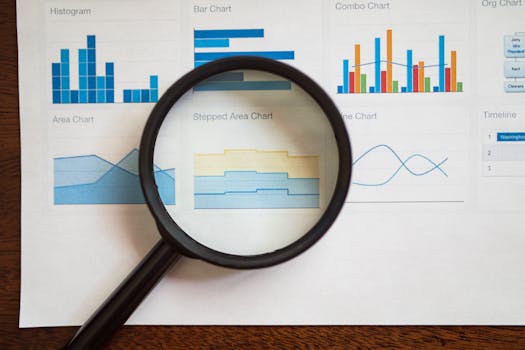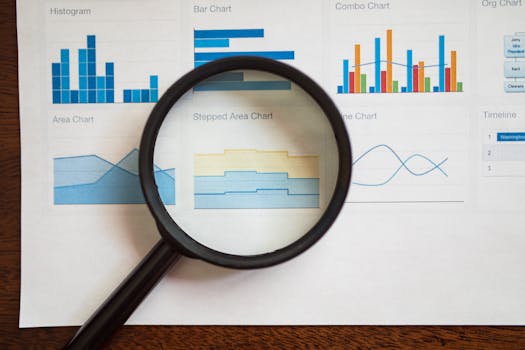
Efficiently visualizing numeric data is essential in a world increasingly driven by information. Here are some practical tips and tricks to help you effectively turn raw data into visually compelling narratives:
- Choose the Appropriate Chart Type
Selecting the correct chart is crucial for effectively communicating your data insights:
- Bar charts: Ideal for comparing quantities across different categories.
- Line charts: Best for illustrating trends over time.
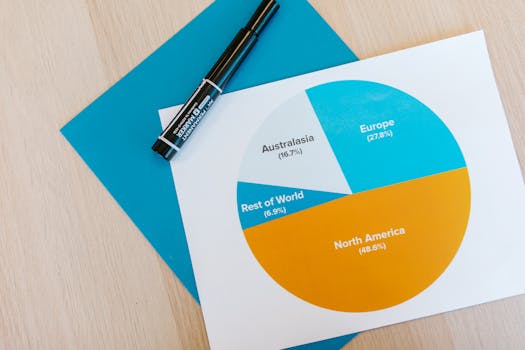
- Pie charts: Useful for showing proportions, but should be used sparingly, especially with many categories or similar proportions.
- Embrace Simplicity
Avoid cluttering your visualizations with too many colors, excessive text, or complex designs. A minimalist approach helps to highlight the most important data points without overwhelming your audience.
.png)
- Use Color Strategically
Color choice can greatly affect the readability and impact of your data visualization:
- Use consistent colors for similar data points across different charts to facilitate understanding.
- Consider color blindness by avoiding problematic color combinations, such as green and red.
- Incorporate Interactivity
Interactive elements can significantly enhance user engagement with your data:
- Tooltips: Offer additional details when users hover over parts of the chart.
- Sliders: Allow viewers to adjust the displayed data, providing a more dynamic exploration experience.
- Ensure Clarity in Labeling
All labels, axes, and units of measurement should be clear and easy to understand. Include a concise title or caption to contextualize the chart, helping to clarify its purpose and the story behind the data.
- Craft a Compelling Narrative
The story you tell with your data is as important as the visuals themselves. A well-crafted narrative can guide your audience through the visualization, emphasizing key insights and providing a clearer understanding of the underlying data.
- Test Your Visualizations
Feedback is invaluable, so present your charts to people who are less familiar with the data. This can help you identify confusing elements or misinterpretations, ensuring your visualizations are as clear and effective as possible.
By following these guidelines, you can create powerful and effective visualizations that not only convey your message clearly but also engage and inform your audience. Whether you're a professional in analytics, marketing, or simply a data enthusiast, these tips will help you transform complex data sets into insightful, understandable visual stories.