Data visualization is an essential skill in the digital age, crucial for anyone involved in data analysis, business intelligence, or research. The right chart can transform complex data sets into clear insights, making it easier for stakeholders to make informed decisions. Whether you are preparing a business report, academic paper, or any presentation involving data, the selection of the appropriate chart is fundamental to delivering your message effectively.
Enhanced Understanding Through Effective Chart Selection
The effectiveness of a data presentation often hinges on the choice of visualization. Each type of chart has specific strengths and is suited to particular kinds of data and analytical needs:
.png)
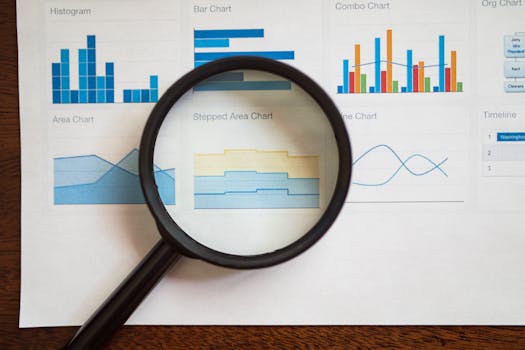
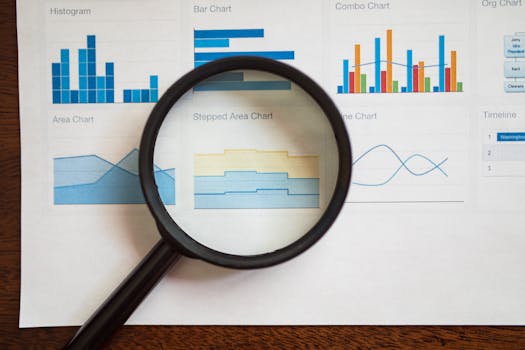
- Bar Charts: Excellent for comparing the size of different items in various categories. These are particularly effective when you want to compare data across categories at a single point in time.
- Line Charts: Ideal for showing changes over time, allowing the audience to perceive trends and developments. Line charts are best when you want to illustrate how one or more variables evolve over a period.
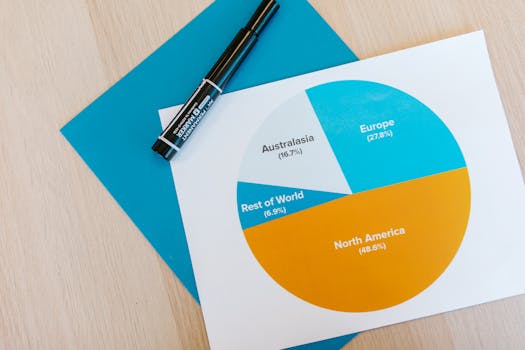
- Pie Charts: Useful for displaying percentage or proportional data, showing how categories represent part of a whole. This chart simplifies comparison in terms of composition but is less effective when you have many categories or small differences in data.
- Scatter Plots: These are perfect for demonstrating relationships between two numerical variables. They can help to identify correlation patterns, outliers, clusters, and more.
- Histograms: These are used to show frequency distributions. They are invaluable for statistical analyses that require an understanding of how data points are distributed across certain ranges.
- Area Charts: These extend line charts by filling the area under the line, enhancing the understanding of the magnitude of change over time. They are particularly useful for stacked data to show part-to-whole relationships.
- Heatmaps: Great for showing more complex relationships involving variations across two dimensions through color coding. They are intuitive when you need to show patterns or correlations between variables across a table format.
Best Practices in Data Visualization
To maximize the impact of your data presentation, consider these best practices:
- Simplicity is Key: Choose the simplest chart that can effectively communicate your data. Complex charts can confuse the audience, detracting from the key insights.
- Consistency Matters: Use consistent color schemes and styles across all charts within a presentation to maintain professionalism and clarity.
- Enhance Clarity: Always label your axes and include a legend if needed. Misleading or unclear charts can lead to incorrect interpretations of the data.
- Descriptive Titles and Labels: Use clear, descriptive titles and labels to ensure that the audience understands the data's context and implications without needing additional explanation.
Conclusion
Effectively presenting data is not merely about aesthetic appeal but about making complex data understandable and actionable. By carefully selecting the chart type that best matches your data and following best practices in design and presentation, you can ensure that your audience grasitates the key messages and insights. Data visualization is not just a skill but an essential communication tool in the information age.